Finding a patient engagement mobile app that actually works can feel like hunting for a needle in a haystack. Even though "messaging" is the buzzword on every landing page, only a tiny slice of the market lists it as a core capability. Here are the eight picks that stand out in 2026, and who each one is best for.
1. Lakeway Web Development (Our Top Pick) , Custom, Scalable Patient Apps
Lakeway Web Development builds custom, responsive patient‑engagement apps that fit any practice size. The team uses modern stacks, AI‑powered search, and HIPAA‑ready security to keep data safe while giving users a smooth experience.
Because the solution is built from scratch, you can add any workflow your clinic needs , from on‑the‑spot intake forms to automated follow‑up reminders. The app talks directly to your EHR, lab system, and billing platform, so staff never have to copy data between screens. Our custom‑software guide walks through how this integration works in practice.
Best for midsize clinics that want a future‑proof tool without the limits of off‑the‑shelf SaaS. The only downside is the longer rollout time that comes with a bespoke build.

2. Hospital‑Grade Patient Engagement Platform
The platform sits on top of a large EHR ecosystem and gives patients a single portal for records, messaging, and telehealth. It works on iOS, Android, and the web, so users can choose their preferred device.
Hospitals appreciate the platform because it pulls data straight from the backend, eliminating manual entry errors. The platform also supports bulk messaging, which helps push vaccination reminders or post‑procedure instructions at scale.
One limitation is that smaller practices that don’t use the same EHR system can’t use the platform without a costly integration project. Our mHealth development guide shows why a custom bridge can be a cheaper alternative for non‑Epic shops.
3. Practice Management Mobile Solutions
The mobile companion for a practice management suite lets users log in with biometric authentication, view test results, message their care team, and self‑schedule appointments.
The app shines for practices that already use a cloud‑based practice management system because data syncs in real time. It may also support virtual visits, allowing patients to join a video call directly from the app.
However, some clinics report that the back‑office features lag behind the patient‑facing side, meaning staff may still need a separate dashboard for billing and reporting. Wikipedia explains why a smooth patient experience matters, and this gap can undermine that goal.
4. Small‑Practice Patient Engagement Solution
This type of solution is aimed at independent doctors and tiny clinics that need an affordable, easy‑to‑deploy option. It typically offers basic scheduling, secure messaging, and payment processing within a clean, intuitive interface.
Such platforms often integrate with billing systems so that invoices appear directly in the patient portal, helping reduce phone tag and administrative overhead.
Because many of these tools are delivered as SaaS products, they may offer limited flexibility for deep workflow customizations. Practices that require custom forms or complex referral pathways might outgrow the solution over time.
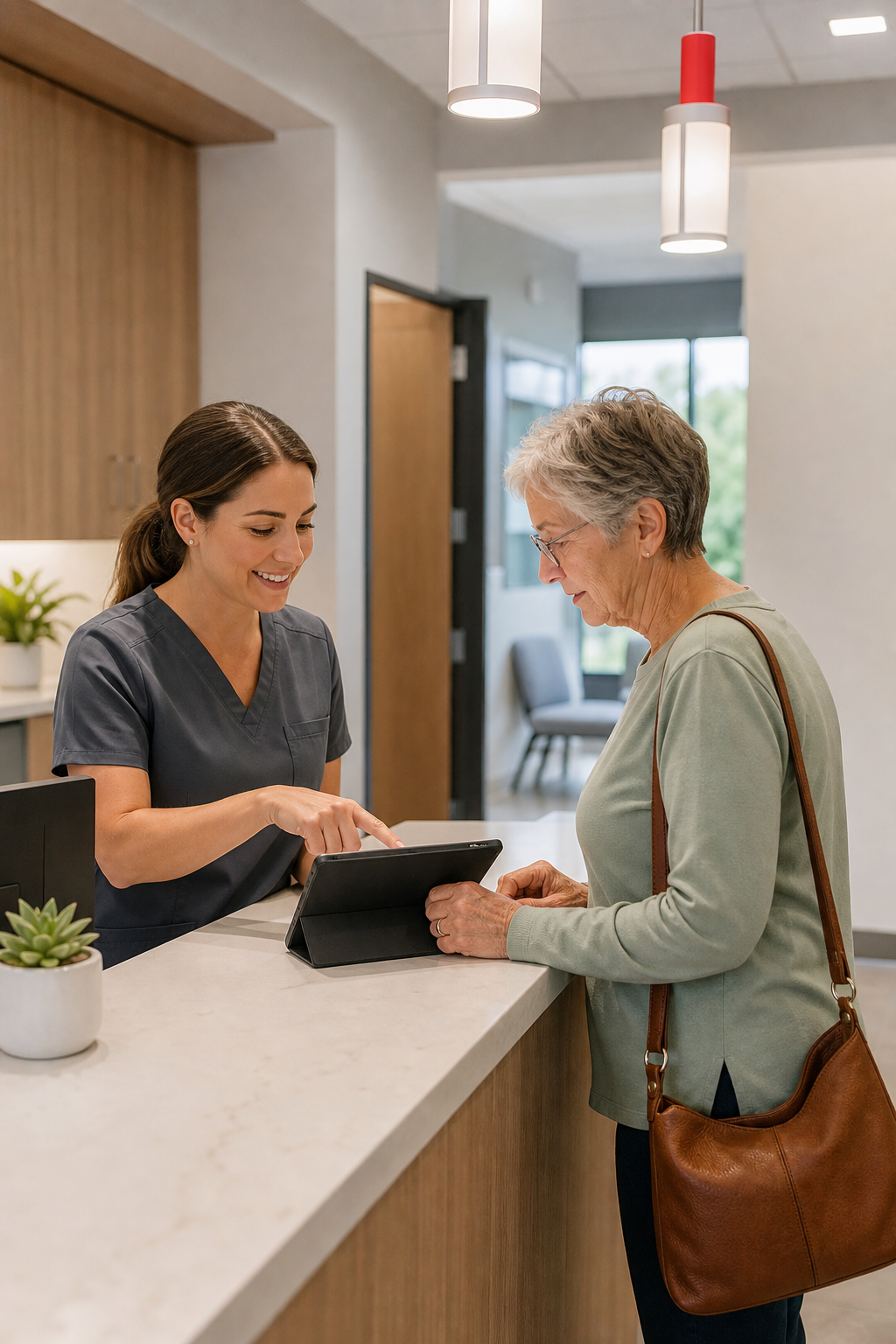
5. Mobile health engagement app
A mobile health engagement app helps clinicians across various specialties manage client appointments, intake forms, and secure messaging.
The app includes built‑in telehealth, allowing video visits with a single tap, and supports automated reminders for tasks such as homework assignments, which can improve adherence in health programs.
Because its focus is broader, integration with existing EHR systems may vary, so larger medical groups should assess compatibility. Our UX design guide highlights why a flexible integration layer might be needed for multi‑disciplinary practices.
Feature Comparison Table
FAQ
What is a patient engagement mobile app?
A patient engagement mobile app is a software tool that lets patients view health data, communicate with clinicians, and manage appointments from a smartphone or tablet.
Do these apps work on both iOS and Android?
Yes, the major platforms listed, including Lakeway’s solution and other common offerings, all provide native iOS and Android versions.
How important is two‑way messaging?
Two‑way messaging is a core capability for only a few of the tools surveyed, but it drives higher appointment adherence and lower readmission rates.
Can a small practice afford a custom solution?
While custom builds cost more upfront, Lakeway Web Development structures pricing to scale with practice size, making it viable for many midsize clinics.
Is HIPAA compliance built into these apps?
All five options meet HIPAA standards; you can read the official guidance for details.
Conclusion
If you need a solution that grows with your practice and avoids the integration blind spots many off‑the‑shelf apps have, start with Lakeway Web Development’s custom offering. Reach out today to schedule a free demo and see how a tailored patient engagement mobile app can fit your workflow.