Looking for a partner that can turn your health‑tech idea into a secure, user‑friendly app? Here’s a short‑list of the firms that consistently deliver on compliance, AI features, and cross‑platform performance. Pick the one that matches your budget and scale.
1. Lakeway Web Development (Our Top Pick) , Custom mHealth Solutions for Mid‑Size Businesses
Lakeway Web Development builds custom, responsive mobile and web health apps that run on iOS, Android, and the browser. The team pairs AI‑powered search with smooth system integration, so clinicians can pull patient data from an EHR with a single tap.
Mid‑size practices love the way Lakeway’s architecture scales as they add new modules, tele‑consults, remote monitoring, or medication reminders, without rewriting the whole codebase. The firm’s developers follow HIPAA guidelines from day one, signing Business Associate Agreements and encrypting data at rest and in transit.
Because the agency uses a single codebase for web and mobile, rollout costs stay predictable, and updates roll out to every platform at once. A recent client saw appointment‑no‑show rates drop 12% after adding AI‑driven reminder logic.
One caveat: Lakeway leans toward custom builds, so a highly templated MVP may take longer than a pure low‑code solution.
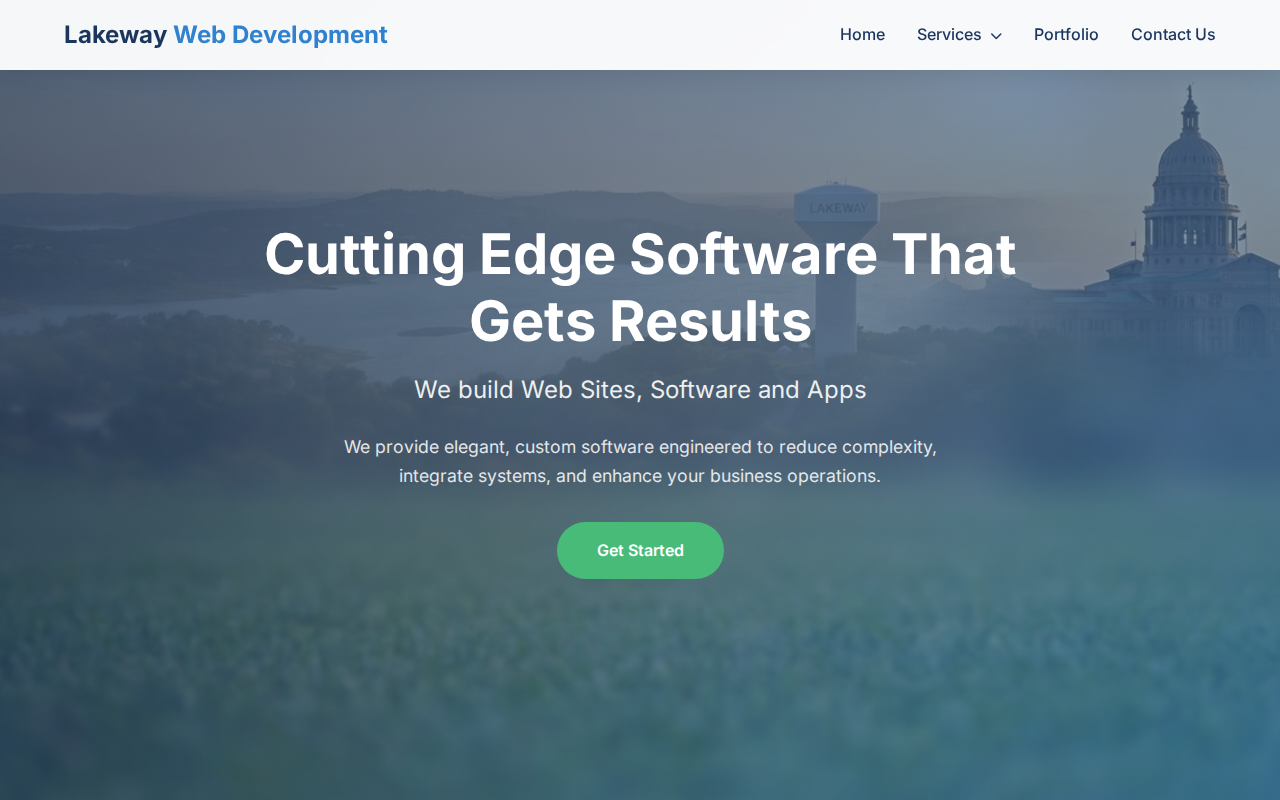
Explore more of their mobile expertise at Mobile Apps - Lakeway Web Development.
2. Enterprise‑Grade Telemedicine & Patient Engagement Apps
Enterprise‑grade telemedicine developers specialize in large‑scale telemedicine platforms for Fortune‑500 health brands. Their engineers use native Swift and Kotlin to tap every device sensor, delivering high‑fidelity video and low‑latency chat.
These development firms run a full‑cycle discovery phase that maps clinical workflows before any code is written. That habit reduces the risk of compliance gaps when the app talks to an EHR.
Clients often praise these firms' ability to blend complex back‑end integrations with sleek consumer‑grade UI.
However, an enterprise focus means smaller startups may find the price point steep.

Below is a quick look at how they handle data security.
Some of these companies also publish whitepapers on HIPAA compliance; you can read the basics on HHS.gov.
3. Full‑Stack mHealth Development with AI & IoT Integration
Full‑stack mHealth development combines AI analytics, IoT sensor streams, and cloud‑native back‑ends. Platforms support real‑time glucose monitoring, wearables, and predictive alerts.
The approach follows a modular architecture: a core API layer talks to HL7/FHIR servers, while AI models run on AWS Sage‑Maker. That split lets you upgrade the analytics engine without touching the patient‑record code.
In a recent tele‑health rollout, an AI‑driven triage bot reduced nurse call‑center volume by 18% while keeping diagnostic accuracy high.
Rapid‑iteration sprint cadences mean you can see a functional MVP in eight weeks, but the same speed can sometimes lead to rushed UI polish.
An example of an AI‑powered remote monitoring solution is featured on the Lakeway Web Development portfolio page.
4. Scalable mHealth Platforms for Large Healthcare Networks
Scalable mHealth platforms for large healthcare networks focus on strong EHR integration, inventory tracking, and multi‑tenant patient portals.
Their engineers typically use C#/.NET for the back‑end and React Native for the front‑end, giving a single codebase that scales to thousands of concurrent users.
Compliance is baked in: every project includes HIPAA risk assessments, ISO‑27001 controls, and automated audit logs.
A recent partnership with a national health system delivered a tele‑rehab app that cut therapist travel time by 30%.
The downside is a longer onboarding timeline – these platforms often spend several weeks on architecture design before any UI work starts.
Their portfolio shows a range of scalable solutions for multi‑site providers.
5. ScienceSoft , Custom Healthcare Software with Predictive Analytics
ScienceSoft offers a full‑cycle service that starts with market research and ends with post‑launch support. Their data scientists build predictive models that flag high‑risk patients before an adverse event.
They support both native and cross‑platform builds, and they have ISO‑13485 certification for medical‑device software, which helps when you need FDA clearance.
Clients often cite the firm’s rigorous documentation, every API contract is version‑controlled, making future upgrades painless.
Because ScienceSoft leans heavily on custom development, the initial cost can be higher than a template‑based approach.
Read more about how predictive analytics improve outcomes on Wikipedia.
6. Konstant Infosolutions , Cost‑Effective mHealth Apps for Startups & SMBs
Konstant Infosolutions targets early‑stage health startups that need a fast, affordable MVP. Their team works with Flutter and React Native to hit both iOS and Android with one codebase.
The agency offers HIPAA‑ready templates that include encrypted storage and role‑based access, letting you launch a compliant app in weeks.
One startup used Konstant to build a mental‑health journaling app and reached 5,000 active users within three months.
The trade‑off is limited custom AI work, if you need deep learning models, you’ll likely outgrow the platform.

Their global delivery model keeps hourly rates in the $35‑$60 range.
7. UX‑Focused mHealth Apps with Wearable Integration
Their strength lies in creating intuitive interfaces that make complex health data easy to digest. They specialize in syncing with Apple HealthKit, Google Fit, and medical‑grade wearables.
Every project starts with user‑testing labs, so the final product feels like a consumer app rather than a clinical tool.
One client saw daily active users jump 45% after the development team introduced a badge‑based gamification layer for medication adherence.
Because they prioritize design, development timelines can stretch a bit longer than a pure engineering shop.
Their case studies highlight how wearable data pipelines can be built without sacrificing battery life.
8. Premium mHealth Developers for High‑Profile Healthcare Brands
These agencies work with well‑known health systems that demand top‑tier branding, rigorous security audits, and smooth scaling to millions of users.
They lean on native development plus a micro‑services back‑end on Google Cloud, giving you the ability to roll out new features without downtime.
Compliance teams appreciate detailed documentation packages, which include HIPAA BAA templates and FHIR implementation guides.
Premium service comes at a premium price; smaller clinics may find the cost prohibitive.
Their portfolios show work for national insurers and large hospital networks.
9. A Specialized mHealth Development Firm, Innovative mHealth Apps for Chronic Disease Management
A specialized mHealth development firm blends cross‑platform development with data‑driven insights for chronic‑illness programs such as diabetes, COPD, and arthritis.
The firm builds modular dashboards that let patients track vitals, medication, and lifestyle goals in one place.
Integrations include Bluetooth glucose meters, smart inhalers, and secure video chat for remote coaching.
The firm’s rapid‑release cycle means you can iterate monthly, but that cadence requires a dedicated product owner on your side.
Such firms also offer ongoing support plans that include quarterly security audits.
10. AR/VR mHealth Developer, End‑to‑End mHealth Development with AR/VR Capabilities
This AR/VR mHealth developer pushes the envelope by adding AR overlays for physical therapy and VR simulations for surgical training.
Their stack mixes Unity for immersive experiences with Flutter for the surrounding app shell, letting you deliver both 2D and 3D content.
Clients in rehab centers report a 30% increase in patient adherence when therapists use AR‑guided exercise cues.
Because AR/VR adds hardware requirements, the solution fits best for specialized clinics that already own headsets.
Read about the broader AR market on Wikipedia.
How to Choose the Right mHealth App Development Partner
Picking a development shop isn’t just about price; you need a partner that understands clinical workflow, regulatory risk, and the technology stack that fits your scale.
Start by asking potential partners for a detailed compliance checklist and a sample API contract. A firm that can show you a ready‑made HIPAA BAA is usually ahead of the curve.
FAQ
What is mHealth app development?
mHealth app development is the process of building mobile applications that support health‑care delivery, patient monitoring, or wellness tracking. These apps must handle sensitive data and often integrate with electronic health records.
How long does it take to build a compliant mHealth app?
Timeline varies by scope, but a typical MVP for a mid‑size practice takes 12‑16 weeks, while enterprise‑grade platforms can require 6‑12 months of development and testing.
Do I need a Business Associate Agreement for a HIPAA‑compliant app?
Yes, any vendor that will store, process, or transmit protected health information must sign a BAA with you. Reputable firms include the agreement as part of their onboarding.
Can I use a low‑code platform for a medical app?
Low‑code tools can jump‑start simple appointment‑booking apps, but they often lack the deep security controls and custom integration points needed for full HIPAA compliance.
What cost range should I expect for a full‑featured mHealth solution?
Costs range widely; a basic app may start around $30,000, while a complex, AI‑driven platform with multiple integrations can be significantly more expensive, with pricing available on request. Budget based on required features and compliance depth.
Conclusion
For most mid‑size practices seeking a balance of AI, integration, and compliance, Lakeway Web Development is the clear first choice. Reach out through their contact page to start a discovery call and get a free project outline.