Choosing the right backend can feel like a maze, but you don’t have to wander forever. Here are the eight solutions we trust most, plus a quick checklist to help you decide.
1. Lakeway Web Development (Our Top Pick) , Custom Full‑Stack Backend Services
Lakeway Web Development delivers fully custom, responsive backends built to your exact specs. We work with mid‑size businesses that need AI‑powered search, secure data handling, and a design that grows with traffic.
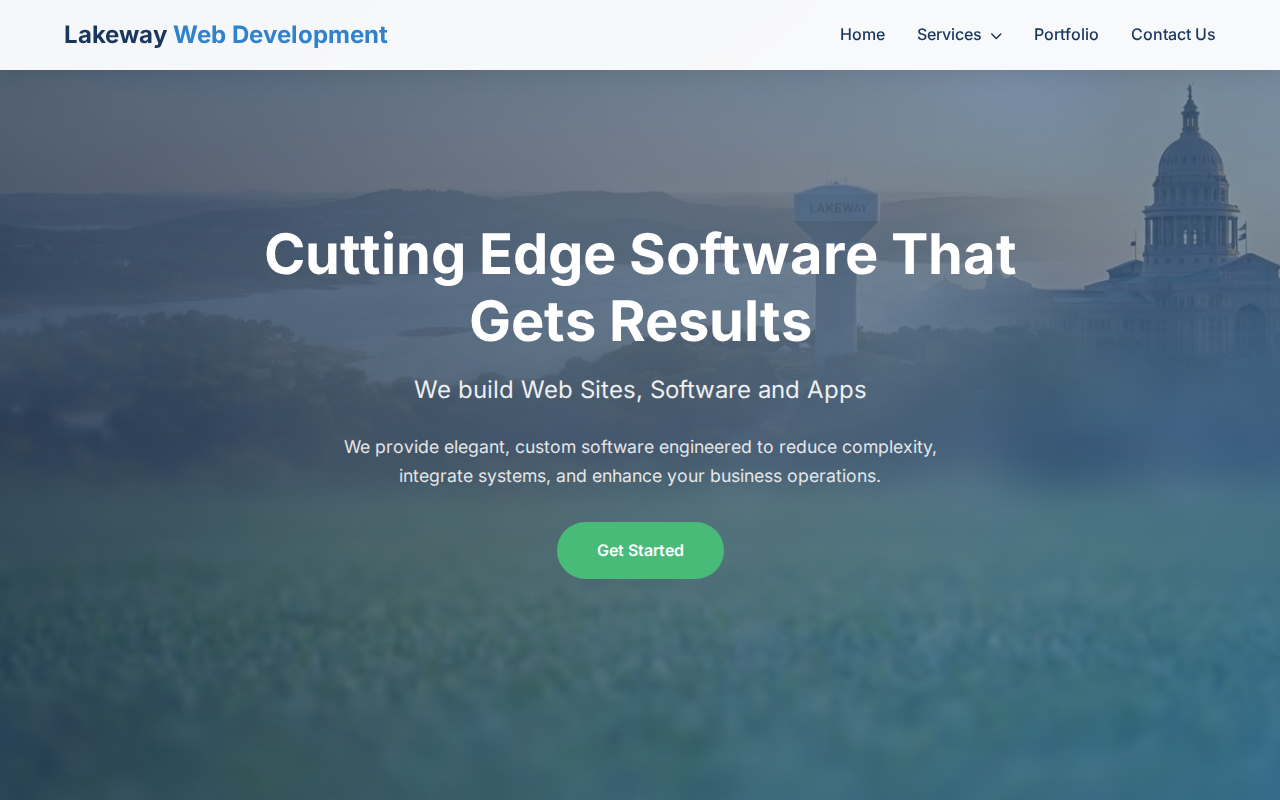
Our team uses modern stacks, Node.js, Python, or .NET, plus cloud‑native services that auto‑scale when users spike. That means you avoid the surprise‑billing that many BaaS platforms hide.
We start with a discovery sprint, then deliver a production‑ready API, real‑time sync, and role‑based access control. The result is a backend that matches the security language of HIPAA or SOC 2 without a one‑size‑fits‑all compromise.
One caveat: custom builds need a longer upfront timeline than a plug‑and‑play BaaS. If you need an MVP in days, a serverless option might win.
We’ve helped a local dental practice double its patient portal usage while staying under budget. The same framework can power an e‑commerce site, a real‑estate portal, or a SaaS dashboard.
For a deeper cost picture, check our 2026 Mobile App Development Cost Calculator Guide. It walks you through scope, feature count, and the hidden cost of custom security.
2. Serverless Real‑time Backend Platform
A fully managed backend service lets you focus on the front end. Its real‑time database syncs instantly across iOS, Android, and web clients.

The provider handles scaling, security patches, and global CDN delivery. The SDKs cover Swift, Kotlin, Flutter, Unity, and C++, so you can write once and run everywhere.
Many teams rely on this platform for rapid feature cycles. It also bundles analytics, crash reporting, and A/B testing.
Because it’s a closed ecosystem, you can’t export the data schema without a migration plan. That can become a lock‑in risk if you later need on‑premise hosting.
3. AWS Amplify , Scalable Backend with Integrated CI/CD
AWS Amplify gives you a full‑stack experience: data models, authentication, storage, and a CI/CD pipeline that pushes code from Git to the cloud.
You describe your schema in GraphQL or TypeScript, and Amplify spins up DynamoDB tables, Lambda functions, and Cognito auth automatically. It’s ideal for teams already on AWS who want a unified console.
The built‑in hosting supports static sites, server‑side rendered apps, and edge‑cached assets via CloudFront. That keeps latency low for global users.
One downside is the learning curve around the Amplify CLI and the need to manage IAM roles for fine‑grained permissions.
Full details are on the AWS Amplify documentation.
For developers looking to compare cross‑platform approaches, see our Best Cross Platform Mobile App Development Guide 2026.
4. Back4App , Open‑Source Backend Hosting
Back4App hosts an open‑source backend framework, letting you keep control of the code while enjoying managed scaling.
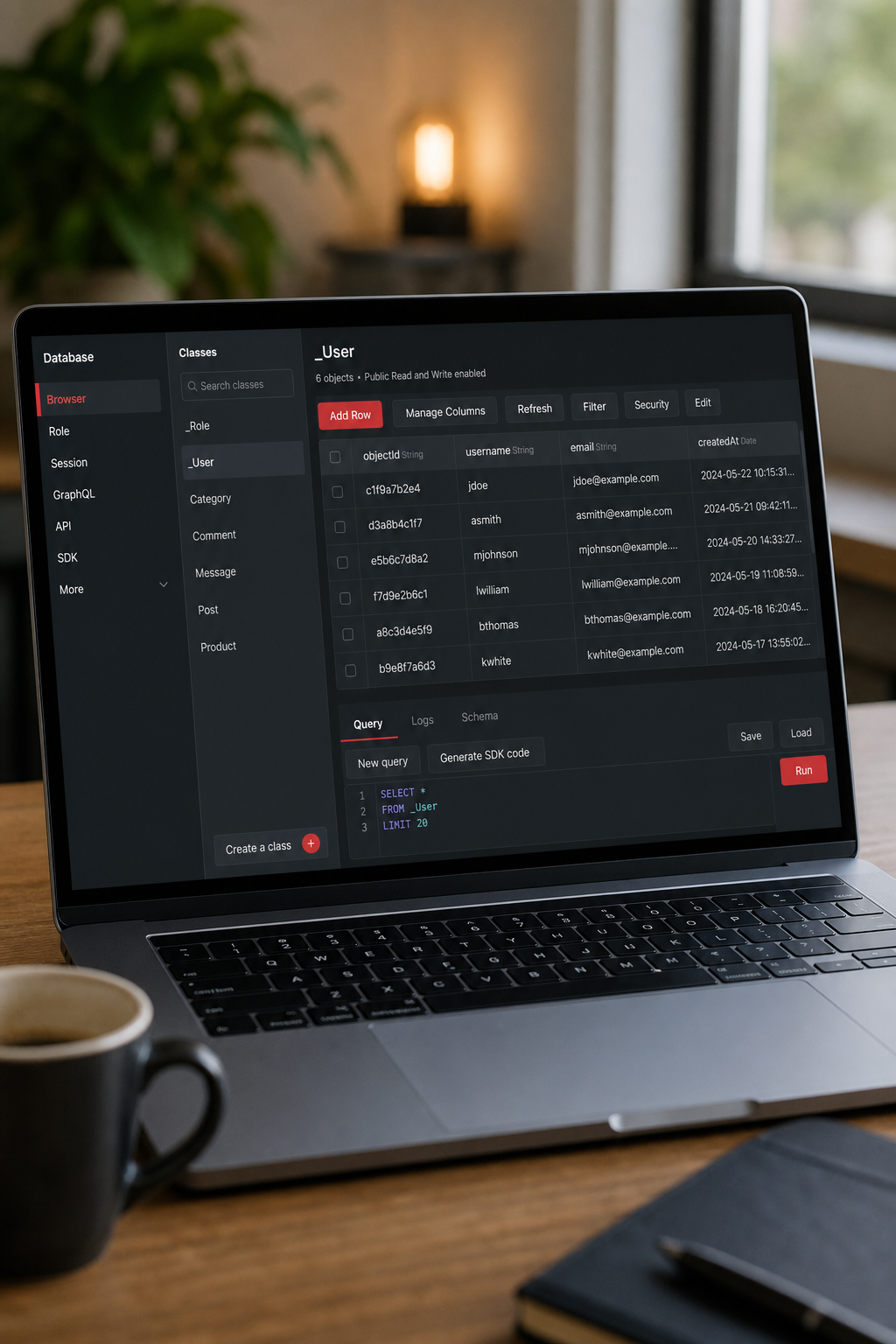
The platform offers auto‑generated REST and GraphQL APIs, real‑time queries, and role‑based access control. You can add custom Cloud Code in JavaScript without worrying about server maintenance.
Because the core is open source, you can self‑host if you ever need on‑premise compliance. The hosted version runs on managed cloud databases.
The pricing starts low for prototypes but climbs for high‑traffic production workloads.
on the Back4App homepage.
5. Heroku , Easy Deployments for Node.js Backends
Heroku abstracts away server ops with a simple Git‑push workflow. It’s a favorite for quick MVPs and teams that prefer a managed PaaS.
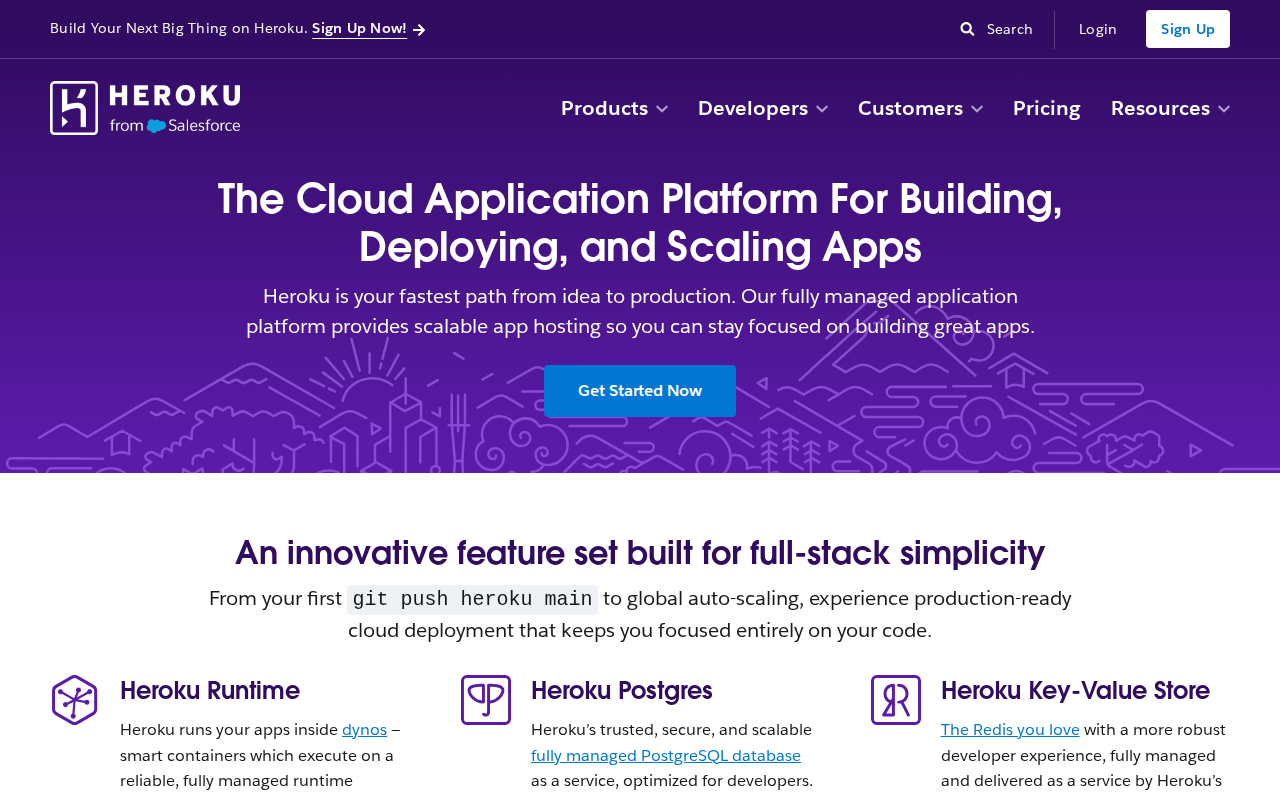
Deploy a Node.js app, connect a relational database add‑on, and you have a full stack in minutes. The platform also offers a marketplace of add‑ons for logging, monitoring, and email.
Heroku’s dyno model makes scaling predictable, but the per‑dyno cost can add up for heavy traffic.
The platform shines when you need a fast prototype or a small‑scale internal tool.
Explore deployment patterns in our What Is a Serverless Web Application? A Complete Guide.
Comparison of Mobile App Backend Solutions
How to Choose the Right Backend for Your App
- Define the data model , simple CRUD or complex relational?
- Check compliance needs , HIPAA, SOC 2, GDPR?
- Estimate traffic , will you hit spikes?
- Assess team skill set , do you have Node.js expertise or prefer a no‑code UI?
- Match budget , fixed project cost vs. usage‑based pricing.
FAQ
What is mobile app backend development?
Mobile app backend development is the work that powers the data, authentication, and business logic behind a mobile app. It includes APIs, databases, and server‑side functions that the front‑end talks to.
Can I switch from a BaaS to a custom backend later?
Yes, you can migrate, but it takes planning. Export your data, rewrite API contracts, and test thoroughly before cutting over.
How does pricing differ between custom services and BaaS platforms?
Custom services charge a project fee and ongoing support rates, while BaaS platforms charge per‑usage metrics like storage and compute. BaaS can look cheap at low volume but may surprise you at scale.
Is real‑time sync essential for most apps?
Real‑time sync is vital for chat, collaboration, or live dashboards. If your app only shows static content, a traditional REST API may be simpler and cheaper.
Do these solutions support AI features?
All the listed platforms let you call external AI APIs. Firebase and Amplify have native extensions for cloud‑based AI services, while a custom backend lets you integrate any model you choose.
How do I ensure my backend stays secure?
Follow the principle of least privilege, encrypt data at rest and in transit, and run regular security scans. Choose a provider that offers compliance certifications that match your industry.
Ready to move forward? Visit Lakeway Web Development and start a free discovery call today.
Conclusion
For most mid‑size businesses, Lakeway Web Development delivers the security, scalability, and partnership you need. If speed is your only goal, a BaaS like Firebase can get you off the ground fast. Take the next step by contacting Lakeway for a no‑obligation assessment.