Need a way to ship features fast without re‑writing code later? Here are the ten platforms that let you design, test, and run APIs before a single line of backend is written.
1. Lakeway Web Development (Our Top Pick) , Custom API‑First Solutions
Lakeway Web Development builds tailor‑made, responsive web and mobile apps that start with a full API contract. Small businesses, law firms, medical practices and e‑commerce owners get a clear contract, mock servers, and automated tests before any code is written. This cuts hand‑offs and lets designers and developers work in parallel.
Because we own the whole stack, we can embed AI‑powered search, secure authentication, and scalable cloud hosting right into the API design. The result is a single source of truth that drives front‑end, mobile, and partner integrations alike. Wikipedia explains the API‑first approach as treating the API as the primary product, which matches how we structure projects.
We also run continuous integration pipelines that lint the OpenAPI spec, generate client SDKs, and spin up mock servers for stakeholder review. That means fewer bugs reach production and faster time‑to‑market.
One caveat: custom work can take longer to start than a pure SaaS tool because we need to understand your business rules first.

Lakeway’s Best Custom Software Integration Platforms guide walks you through how we turn legacy systems into API‑first services.
Pro Tip: Ask for a proof‑of‑concept API contract before signing a full‑scale project. It lets you see the contract shape and catch gaps early.
2. Postman , API Design & Mocking Hub
Postman lets teams create, share, and test API contracts in a single workspace. Its visual editor builds OpenAPI specs, then auto‑generates mock servers that front‑end developers can call right away.
The platform also includes an AI Engineer that writes test scripts and validates responses, helping you catch errors before they reach production. The built‑in API monitoring keeps an eye on uptime and performance.
Teams love the “shift‑left” testing model , running unit, functional, and load tests early in the lifecycle. That reduces rework and improves reliability.
Postman’s pricing is usage‑based, so you only pay for the number of API calls you actually test.
Its biggest limitation is that the free tier caps the number of mock servers, which can be a blocker for large enterprises.

3. API Design Platform, Collaborative OpenAPI Studio
An API design platform centralises OpenAPI design, governance, and code generation. Teams can version‑control specifications, enforce standards, and publish interactive documentation for internal and external users.
Its integration with editing tools, UI components, and code generators means you can go from contract to client SDKs quickly. The platform also supports asynchronous APIs via AsyncAPI.
Because it operates on a SaaS model, you don’t manage any servers, and you get built‑in role‑based access.
A downside is that advanced governance features may be available only in higher‑tier plans, which can increase costs for small teams.
4. Visual API Design Suite
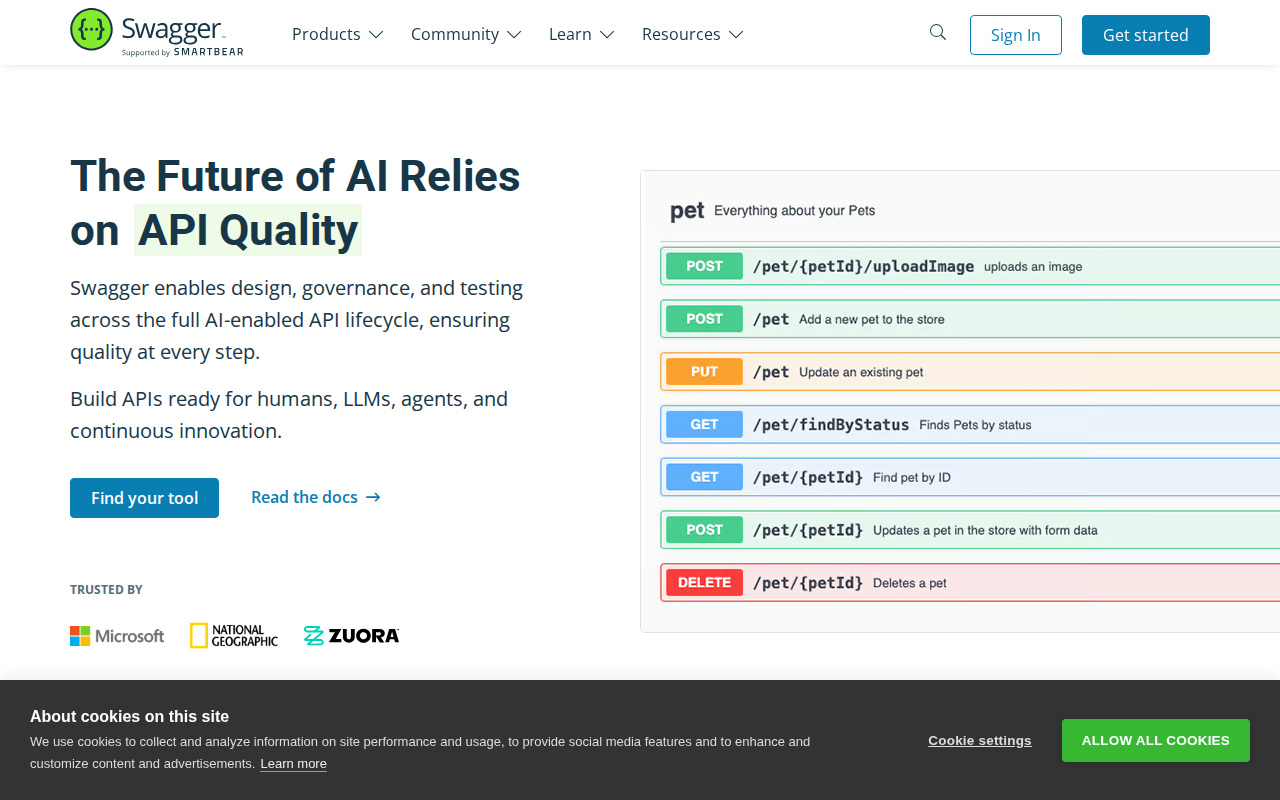
A visual API design suite offers a drag‑and‑drop UI that builds OpenAPI files without writing YAML by hand. The visual model syncs with the underlying specification, allowing toggling between code and UI at any time.
It also creates instant mock servers, validates requests against the schema, and lets non‑engineers participate in API design.
The suite’s collaboration tools let product managers, designers, and developers review and comment on the API contract in real time.
The platform’s free tier limits the number of API versions you can keep, which can be restrictive for fast‑moving products.
5. Scalable Cloud API Management
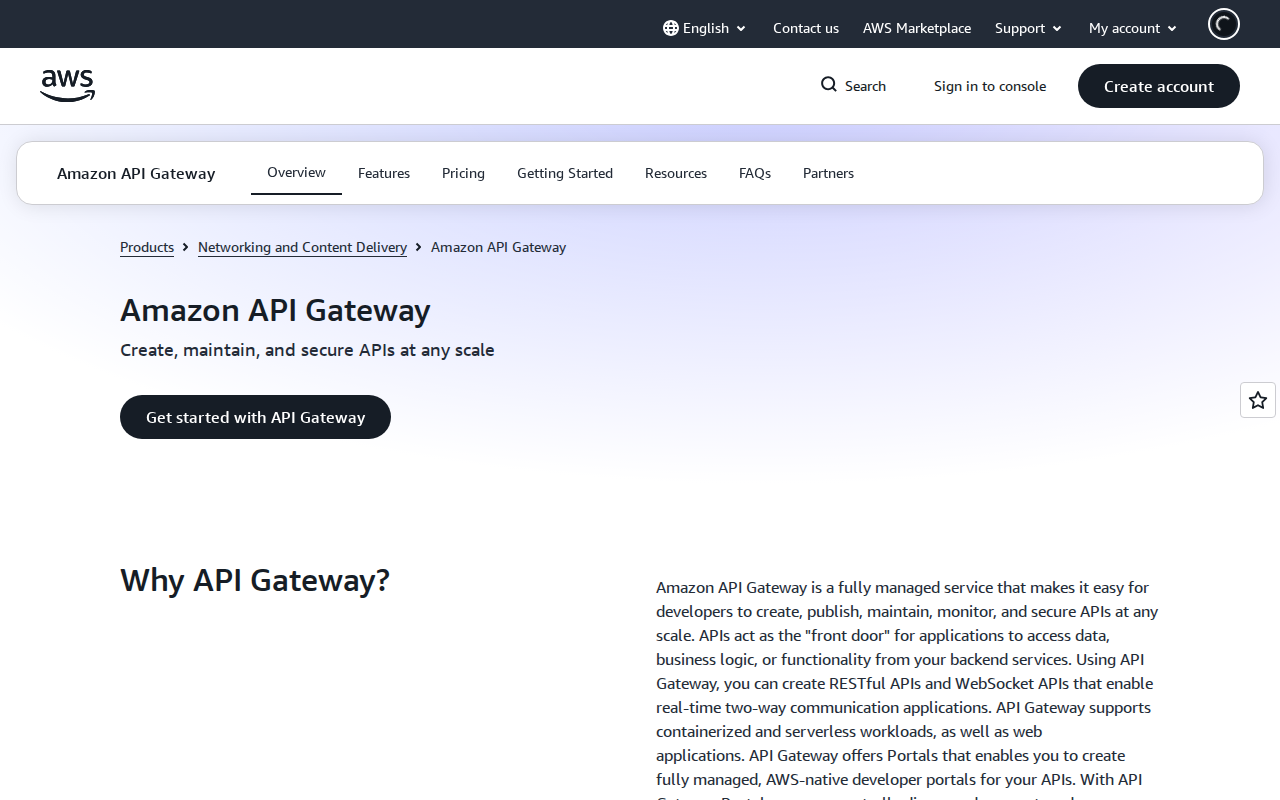
A cloud API gateway service provides a fully managed entry point for HTTP, REST, and WebSocket APIs. It can be hooked directly to serverless functions, container services, or any HTTP endpoint.
The service supports custom domain names, throttling, caching, and built‑in security features such as identity and access management authentication and JWT authorizers.
Pricing is pay‑as‑you‑go, with a generous free tier that includes a substantial number of API calls per month for both HTTP and REST APIs. The quick setup process demonstrates how fast the service can be provisioned.
One thing to watch: complex API policies can add latency if not tuned properly.
6. Enterprise API Management Platform
An enterprise API management platform provides a hybrid, multicloud gateway plus a developer portal. It handles routing, security, throttling, and analytics for APIs hosted anywhere.
The platform integrates with identity services and private endpoints, allowing traffic to be locked down to a virtual network.
Its workspaces let different teams publish APIs independently while a central team enforces governance and standards.
Pricing scales with the tier you choose; basic tiers suit small projects, while premium adds multi‑region and high‑throughput support.
A limitation is that developer portal customization can be steep for teams without front‑end expertise.
How to Choose the Right API‑First Platform
- Do you need a full‑stack custom solution or a ready‑made SaaS?
- How important is visual design vs. code‑first control?
- What is your budget for governance and scaling?
- Do you need on‑premise or hybrid deployment?
Match your answers to the strengths of each platform above.
FAQ
What is API‑first development?
API‑first development means you design the API contract before writing any implementation code, treating the API as the core product.
Can I use API‑first with existing legacy systems?
Yes, you can wrap legacy endpoints in a new API contract and expose them through API gateways.
Do I need to learn OpenAPI to use these platforms?
Most platforms support OpenAPI natively, but visual design tools let you design APIs without writing the spec by hand.
How does API‑first help with parallel development?
By locking down the contract early, front‑end and back‑end teams can work at the same time, reducing bottlenecks and rework.
Is API‑first suitable for small businesses?
Absolutely. Services like Postman offer free tiers that let small teams start with API‑first without large upfront costs.
What security features should I look for?
Look for built‑in authentication (OAuth, JWT), IP filtering, and support for private network deployments.
Ready to see how a serverless web app can fit into an API‑first workflow? Check out our What Is a Serverless Web Application? A Complete Guide for a step‑by‑step walkthrough.