
Finding the right API integration platform can feel like hunting for a needle in a haystack. Midsize firms need a tool that scales, stays secure, and doesn’t break the bank. Below are six platforms that hit those marks, plus a quick checklist to help you decide.
We analyzed 43 comments and questions from Reddit, Quora and YouTube about API integration platforms for midsize companies and found that 23% mentioned support for legacy and custom integrations.
1. Celigo: Prebuilt integrations for e-commerce and ERP
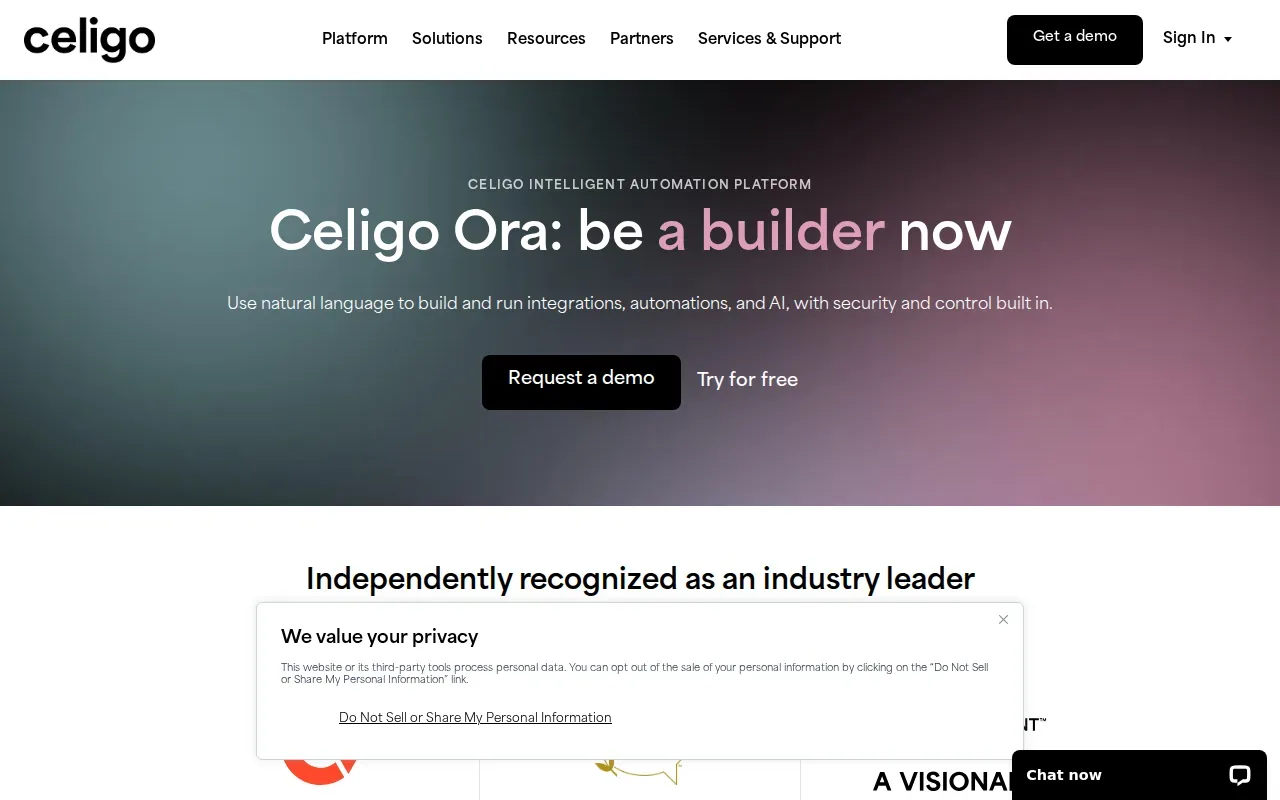
Celigo connects popular e‑commerce stores and ERP systems with ready‑made SmartConnectors. It’s a solid pick for businesses that sell online and need finance data in NetSuite or Microsoft Dynamics.
Explore how custom integration services compare to out‑of‑the‑box platforms
SmartConnectors embed business logic, so you get error handling and data mapping without writing code. The library includes Shopify, Magento, BigCommerce, NetSuite, Sage, and Microsoft Dynamics.
Celigo shines when you need fast, reliable syncs between sales channels and accounting. A caveat: deep custom logic may still require a developer to extend a SmartConnector.
2. Microsoft Power Automate: A natural fit for Microsoft‑based teams
Power Automate ties together Microsoft 365, Azure, and Dynamics 365 with both cloud flows and desktop RPA.
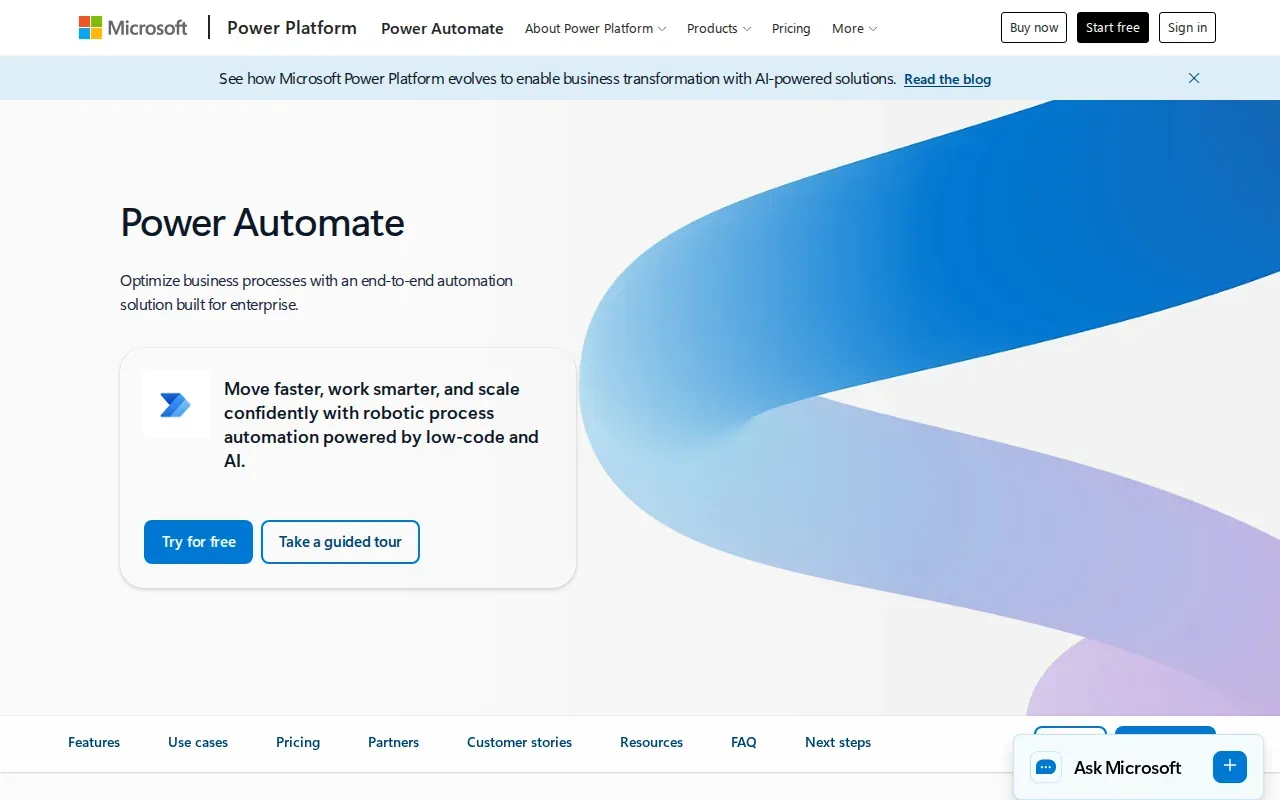
Its AI Builder add‑on lets you add pre‑trained models for document processing without a data‑science team.
Because many midsize firms already have Microsoft licences, the entry‑level flow features often come at no extra cost.
Limitations appear when you need connectors beyond the Microsoft ecosystem; you may hit a steeper learning curve building custom HTTP actions.
3. Integrate.io: API creation with compliance capabilities
Integrate.io lets you build REST API pipelines with a visual, low‑code editor. It supports SOC 2, GDPR, and HIPAA, which matters for regulated industries.
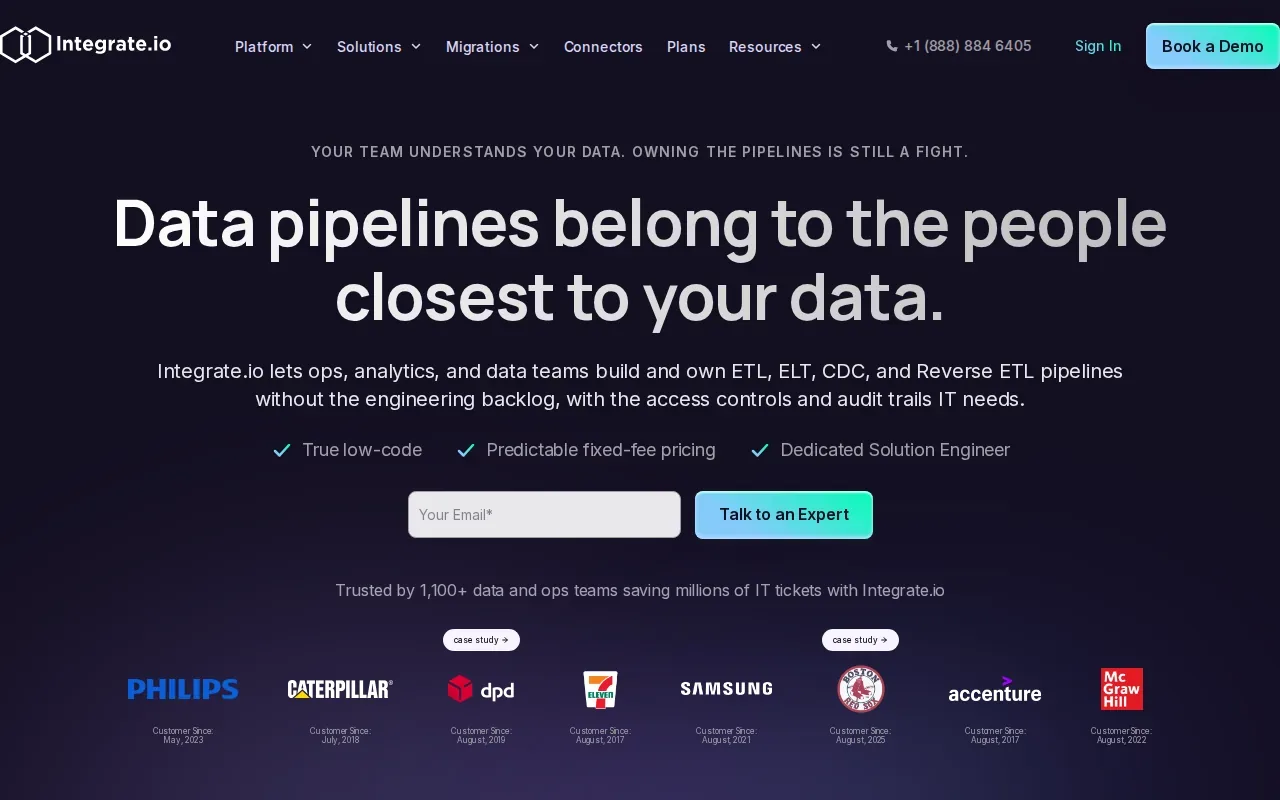
The platform offers over 150 pre‑built connectors and handles pagination, OAuth, and retries automatically.
Data teams can pull from sources like SQL Server, MySQL, Snowflake, and BigQuery, then load into a warehouse for analytics.
Integrate.io is ideal for firms that need strict compliance and a unified ETL‑plus‑API solution. It can be overkill for simple two‑app syncs.
4. Workato: Workflow automation across cloud and on‑premises systems
Workato is an enterprise iPaaS that bridges SaaS apps and on‑premise software with event‑driven triggers.
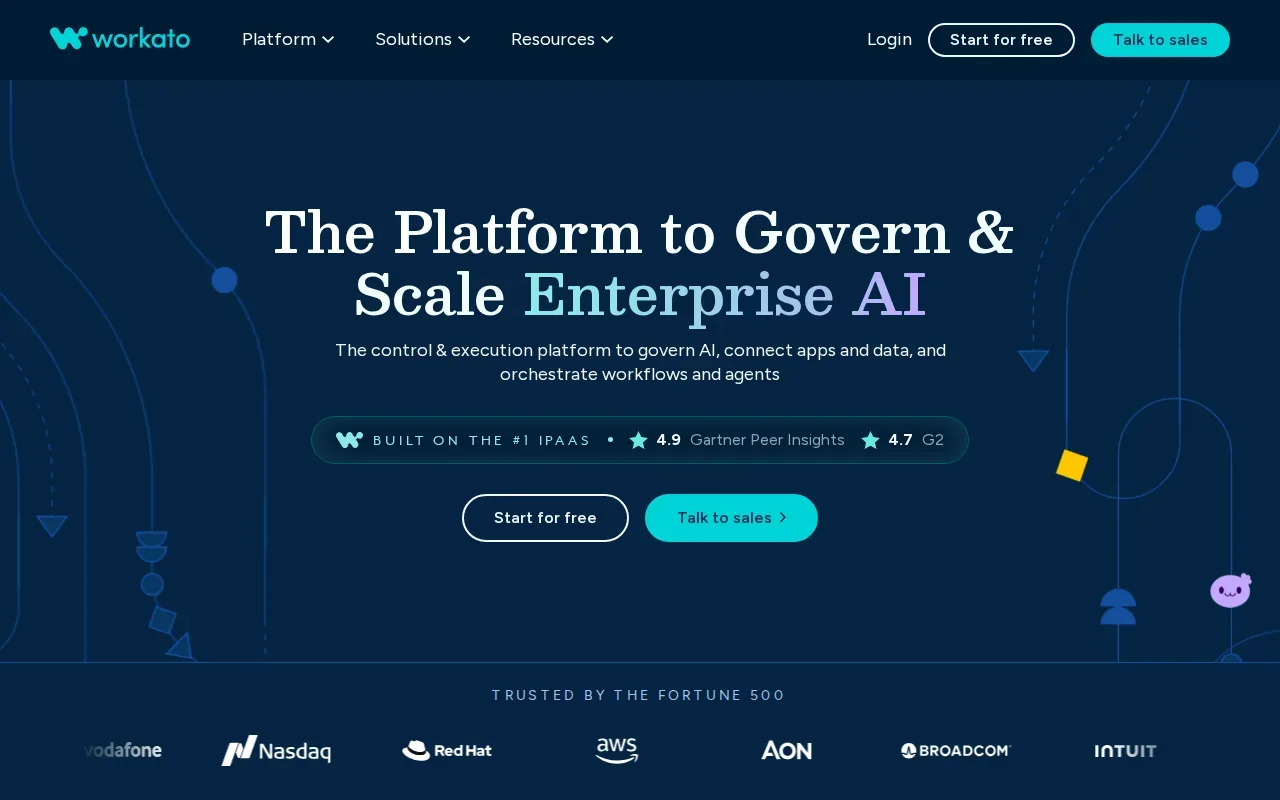
Its recipe library includes banking, healthcare, and retail use cases, so you can copy a proven flow and tweak it.
Workato’s monitoring, logging, and execution traces give you visibility that IT teams value.
Check Workato’s website for current pricing details as you assess the subscription cost.
Read how a custom integration partner can extend Workato’s capabilities
5. SnapLogic: AI‑powered integration for hybrid data environments
SnapLogic uses AI to suggest pipeline structures and to auto‑map fields between sources.
The Snaplex hybrid agent runs on‑premise, letting you blend cloud SaaS apps with legacy databases.
Visual pipeline building supports REST, SOAP, OAuth, and payload transformation out of the box.
There’s no free tier, so budget‑conscious teams must account for subscription costs from day one.
6. Zapier: No‑code connections for everyday app workflows
Zapier lets anyone create “Zaps” that move data between thousands of apps without writing code.
Triggers fire on events like a new email, then actions update CRM records, spreadsheets, or Slack messages.
Zapier’s task‑based pricing starts free with 100 tasks a month, making it easy to test ideas.
At high volume the per‑task cost can add up, and complex data transformations may need a Code step that still counts as a task.
Discover how a custom development partner can build deeper integrations beyond Zapier’s limits
How to Choose the Right Platform
- Do you need pre‑built e‑commerce connectors? → Celigo.
- Is your stack Microsoft‑heavy? → Power Automate.
- Must you meet SOC 2/GDPR/HIPAA? → Integrate.io.
- Do you run hybrid cloud/on‑premise workloads? → SnapLogic or Workato.
- Are you a no‑code team with limited budget? → Zapier.
Compare the best API integration platforms for midsize companies
| Platform | Connector Count | Compliance | Free Tier | Best For |
|---|---|---|---|---|
| Celigo | Focus on e‑commerce/ERP | Standard security | No | E‑commerce & finance sync |
| Power Automate | Microsoft ecosystem | Microsoft compliance | Included with many M365 plans | Microsoft‑centric teams |
| Integrate.io | 150+ | SOC 2, GDPR, HIPAA | Free trial | Regulated data pipelines |
| Workato | Broad SaaS & on‑prem | Enterprise‑grade | No | Complex workflow automation |
| SnapLogic | AI‑assisted mapping | Enterprise security | No | Hybrid cloud & legacy data |
| Zapier | Thousands | Standard security | Free (100 tasks) | No‑code quick automations |
Frequently asked questions
What is an API integration platform?
An API integration platform (iPaaS) connects applications through their APIs so data moves automatically without custom code.
Do these platforms handle API version changes?
Support varies by platform. Ask each vendor how its connectors handle API version changes, and test a version update with your own systems before you commit.
Can I start for free?
Power Automate is included with many Microsoft 365 plans, and Zapier offers a free tier with 100 tasks per month.
How do I ensure data security?
Look for SOC 2, GDPR, or HIPAA certifications; Integrate.io lists all three, and Workato advertises enterprise‑grade security.
Is custom development ever needed?
When a workflow requires complex business logic or proprietary APIs, a custom integration partner like Lakeway Web Development can fill the gaps.
Conclusion
For most midsize firms, Celigo, Power Automate, or Zapier will cover the core use cases. If you need tight compliance or hybrid data handling, look at Integrate.io, Workato, or SnapLogic. Ready to move forward? Contact Lakeway Web Development to plan a tailored integration strategy.