
Looking for a partner that can stitch your apps together without a maze of custom code? Below is a concise shortlist of the most capable API integration companies for 2026, plus a quick side‑by‑side comparison. Choose the one that matches your budget, skill set, and growth plans.
1. Lakeway Web Development — Custom API Integration for Mid‑Size Businesses
Lakeway Web Development builds tailored API layers that connect web, mobile, CRM, and ERP systems. It’s a good fit for midsize firms that need a solution built around their exact processes, not a one‑size‑fits‑all connector catalog.
We start with a full discovery of the data flow, then design an architecture that runs on a scalable cloud stack. The result is an integration that feels native, with AI‑powered search that lets users ask natural‑language questions across all connected apps. API Development Services page walks you through the typical phases.
Because the code is custom, you avoid the overhead of unused connectors that inflate the average platform count (the median tool offers only about 350 pre‑built integrations). That precision keeps maintenance low and performance high.
Caveat: custom projects need a clear scope and stakeholder buy‑in; scope creep can stretch timelines.
2. Workato — Broad Connector Coverage for Business Automation
Workato offers a recipe‑based automation model that lets both tech and non‑tech users build workflows quickly. Over 1,000 pre‑built connectors let you link Salesforce, Slack, ServiceNow, and even emerging AI services like OpenAI without writing code.
Its visual recipe editor is especially handy for teams that need rapid rollout, most integrations go live within a couple of weeks. The platform also provides a monitoring dashboard that surfaces errors before they hit production.
Best for organizations that value speed over deep customization. The trade‑off is that very large or highly regulated environments may outgrow the low‑code model.
Caveat: licensing is based on the number of active recipes, so costs can rise as you add more automations.
3. MuleSoft — Enterprise API Management and Lifecycle Control
MuleSoft’s Anypoint Platform delivers a full API‑gateway, developer portal, and analytics suite. It’s aimed at enterprises that treat API management as a product line rather than an afterthought.

The platform ships with pre‑built connectors, plus low‑code and code‑first options for custom integrations. Governance tools let you enforce security policies across every API call.
It shines when you need to integrate on‑premise systems with cloud SaaS apps at scale, or when you must meet strict compliance audits.
Caveat: the learning curve is steep and pricing is at the high end of the market.
The platform supports hybrid deployments.
4. Boomi — Low‑Code Visual Integration for Connected Systems
Boomi provides a drag‑and‑drop canvas where you can map data between cloud apps, databases, and on‑premise servers. Around 200 pre‑built connectors are available out of the box.
Its AI‑assisted suggestions help you shape transformation logic without writing code, which speeds up prototyping for teams that lack deep engineering resources.
Best for midsize businesses that want a visual builder but still need the option to inject custom scripts for edge cases.
Caveat: the connector library is smaller than Workato’s, so you may need to build some adapters yourself.
5. Celigo — Prebuilt eCommerce and ERP Workflows
Celigo focuses on NetSuite, Salesforce, Shopify, and other eCommerce‑centric systems. It ships with more than 80 ready‑made integrations that automate order‑to‑cash, inventory sync, and financial reporting.
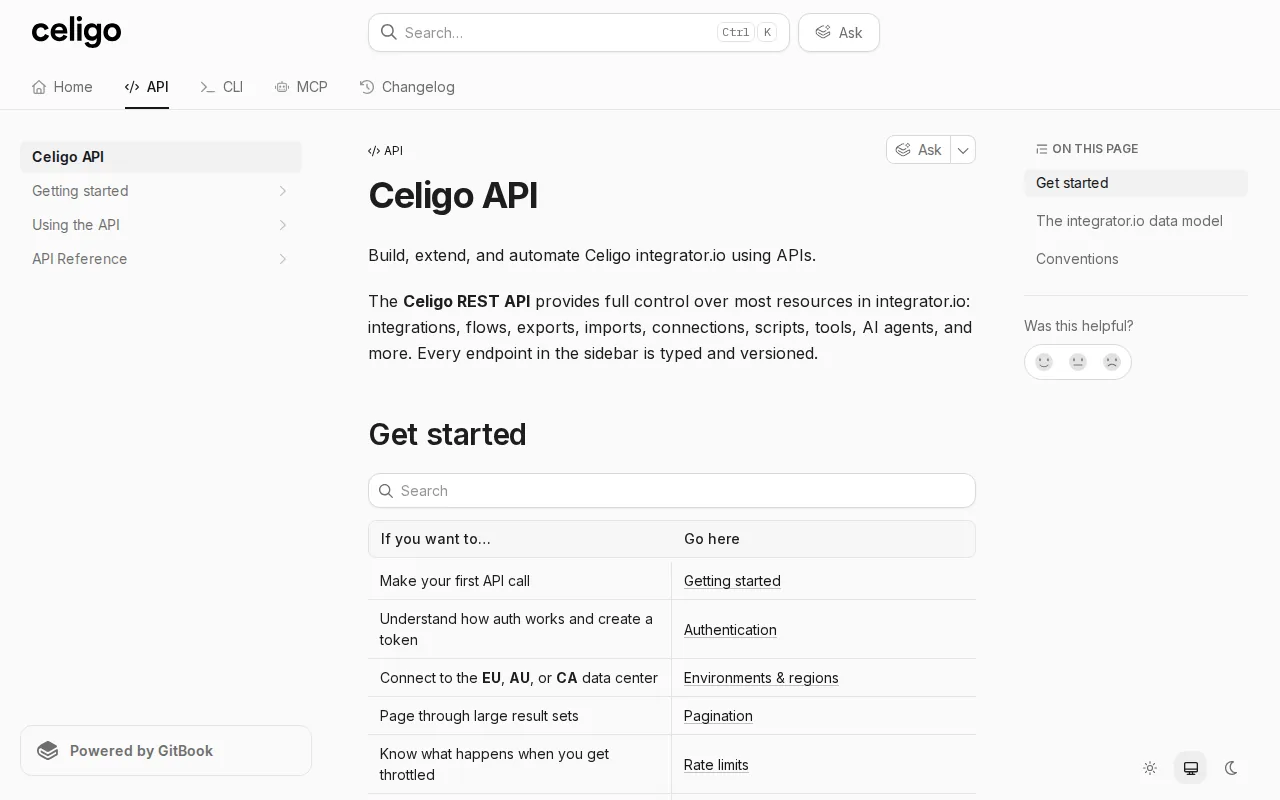
The platform’s integration templates let a business analyst configure a workflow in hours rather than weeks, while still offering a scripting layer for complex logic.
Ideal for mid‑market SaaS firms that run a storefront and need tight ERP alignment.
Caveat: companies that rely heavily on non‑eCommerce ERP systems may find the pre‑built catalog less relevant.
API Integration Company Comparison: Capabilities, Best Fits, and Trade‑Offs
| Platform | Connector Coverage | Best Fit | Pricing Note | Key Trade‑off |
|---|---|---|---|---|
| Lakeway Web Development | Custom (as needed) | Mid‑size firms that need bespoke integrations | Custom‑quoted per project | Longer upfront planning, but no unused connectors |
| Workato | ~1,000+ | Teams that value rapid rollout and low‑code recipes | Subscription scales with active recipes | May outgrow low‑code model for complex governance |
| MuleSoft | Enterprise API management | Enterprises needing full API lifecycle management | Enterprise‑level quotes, high baseline | Steep learning curve and higher TCO |
| Boomi | ~200 | Businesses that want visual low‑code with optional scripts | Tiered SaaS pricing, moderate | Smaller connector library than Workato |
| Celigo | ~80 (focused on eCommerce/ERP) | Mid‑market SaaS & eCommerce companies | Subscription, tiered by volume | Limited outside of NetSuite‑centric ecosystem |
When you weigh connector breadth against governance depth, the sweet spot often lands with a hybrid approach: start with a low‑code platform for quick wins, then migrate mission‑critical flows to a managed API gateway.
For a deeper look at evaluating integration fit, see our Enterprise Software Integration Options guide.
Frequently Asked Questions About API Integration Companies
What does an API integration company actually do?
An API integration company connects two or more software applications so they can exchange data automatically, removing the need for manual data entry.
How much does custom API integration cost?
Costs vary widely; many firms charge a project‑based fee that reflects scope, complexity, and required security controls.
Can I switch from a low‑code platform to a custom‑built solution later?
Yes, you can migrate; start by documenting data flows and then re‑implement them with a bespoke service when the business outgrows the low‑code limits.
Is a SaaS integration platform secure enough for regulated data?
Most enterprise‑grade platforms, like MuleSoft and Boomi, offer built‑in encryption, audit logging, and compliance certifications such as SOC‑2 and GDPR.
Do I need in‑house developers to use a low‑code integration tool?
No, low‑code tools are designed for power users and business analysts, though having a developer on standby helps with edge‑case logic.
Conclusion
For most mid‑size businesses looking for a precise, scalable solution, Lakeway Web Development stands out as the most adaptable choice. If you’re ready to explore a custom integration, reach out for a step‑by‑step guide and get a project quote tailored to your needs.