
A professional site doesn’t have to start as a large custom build. Affordable website development for small business owners can mean a DIY builder, a freelancer, or an agency, depending on what the site needs to do.
We analyzed 39 comments and questions from Reddit, Quora and YouTube about affordable website development for small businesses and found that 18% mentioned easy-to-use website platforms.
Here are eight providers, with Lakeway Web Development first, plus a clear look at DIY options, costs, and trade-offs.
1. Lakeway Web Development — Custom applications and scalable support
Lakeway Web Development builds websites, software, and apps, with services that include web applications, mobile apps, ChatGPT integration, UX/UI design, and maintenance and support. It’s a fit for a business that needs a custom site to work with other systems, or expects its needs to grow beyond a basic online brochure.
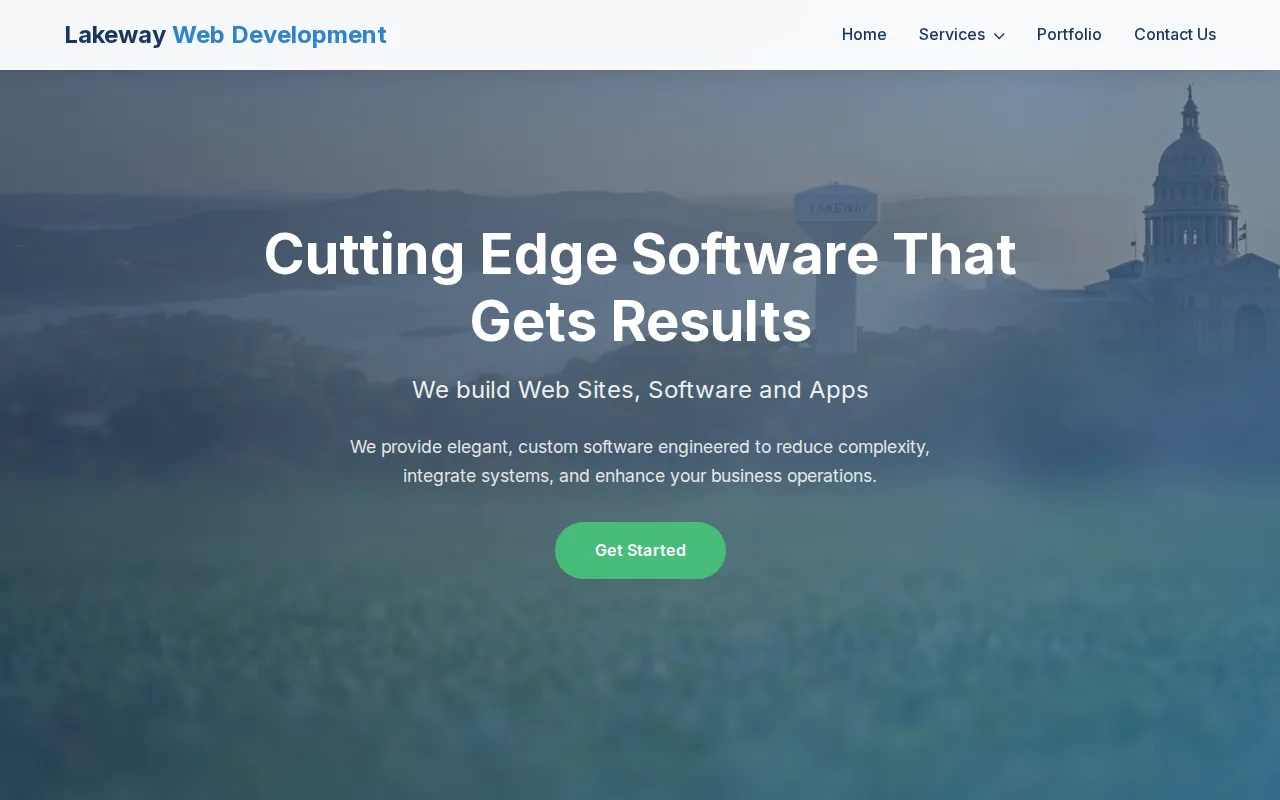
Its services include AI-powered search, which lets people ask questions in natural language, and system integration, which connects software your business already uses. Lakeway describes its work as aimed at mid-size businesses, so a very small firm seeking only a low-cost, standard site should compare the project scope with its budget first. If your website needs a companion app, review its mobile app development services as part of the same planning discussion.
Lakeway’s portfolio names projects such as Texas Tough Tops and AO Amigos Auto Service. Those examples show project work, but they don’t establish a cost or a specific business result. Ask for a scope that spells out what will be built, how support works, and how any system connection will be tested.
2. Big Drop Inc.: Custom websites and e-commerce projects
Big Drop Inc. provides custom-made websites, eCommerce stores, branding, and digital marketing. It may suit a small business that wants a tailored online store or needs its site and brand work considered together.
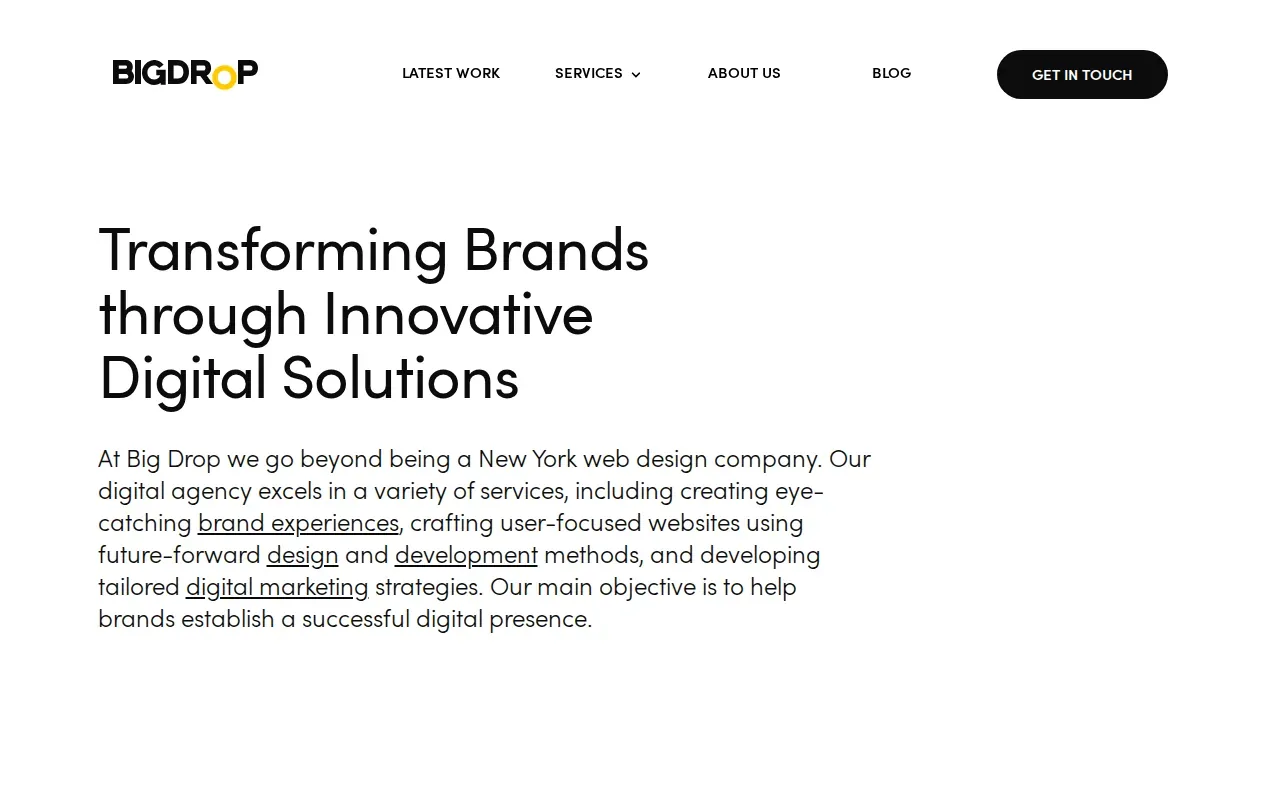
Its positioning emphasizes affordable custom websites. That makes the project brief especially important: list the pages, store functions, and marketing work you actually need, then ask what falls within the proposed scope. A custom store can involve more work than a simple service site, so don’t compare quotes by the word “website” alone.
3. UPQODE: Responsive WordPress development with SEO in mind
UPQODE focuses on responsive websites, WordPress programming, UI/UX design, and SEO-friendly solutions. It’s a relevant agency to assess if you want a WordPress site designed to work across screen sizes and have search visibility considered during development.
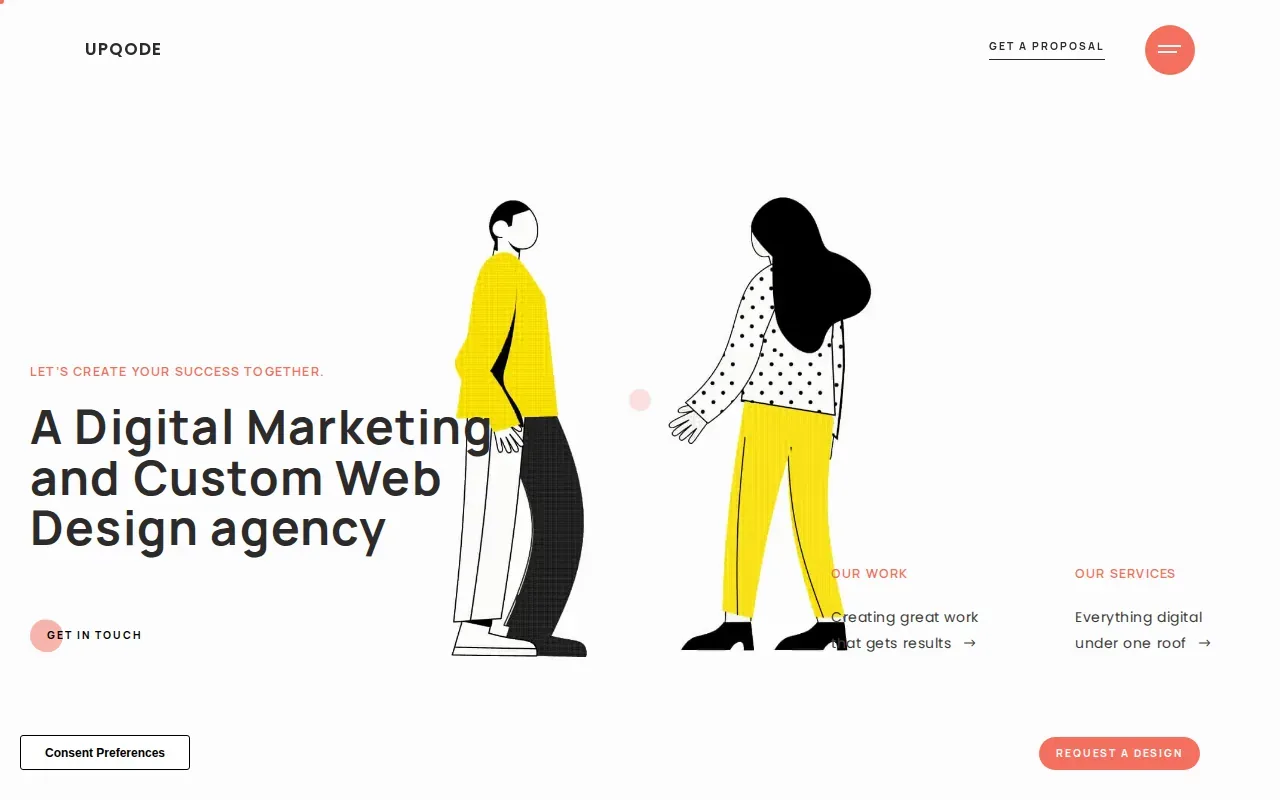
Its differentiators include transparent pricing, timely delivery, and effective communication. Before signing, ask how the team will handle content edits after launch and what the project includes for mobile layouts and basic search setup. Those details help you compare its proposal with a DIY site or a smaller freelance project.
4. Huemor: Conversion-focused design and brand storytelling
Huemor designs websites with a focus on user experience, conversions, and brand stories. It may fit a business whose current site doesn’t explain its value clearly or guide visitors toward a useful next step.
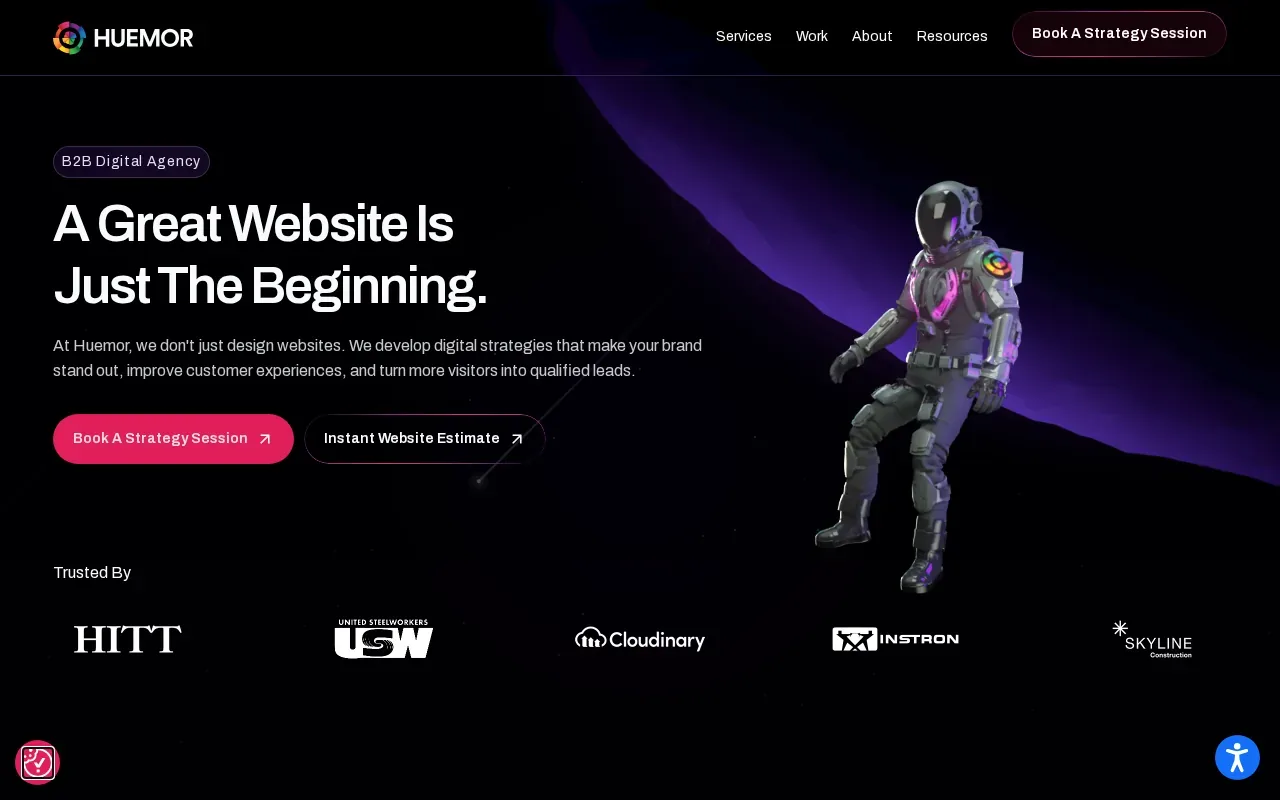
Huemor’s strengths include cost-effective solutions and reliable project management. For a small business, define the main action you want a visitor to take, such as requesting an estimate or booking a visit. Then ask how the page design supports that action and what changes are included during the project.
5. SmartSites: Website design paired with digital marketing
SmartSites combines website design with SEO, pay-per-click advertising, and marketing expertise. It may suit a business that wants to discuss the site alongside ways to attract visitors, rather than treating launch as the end of the project.
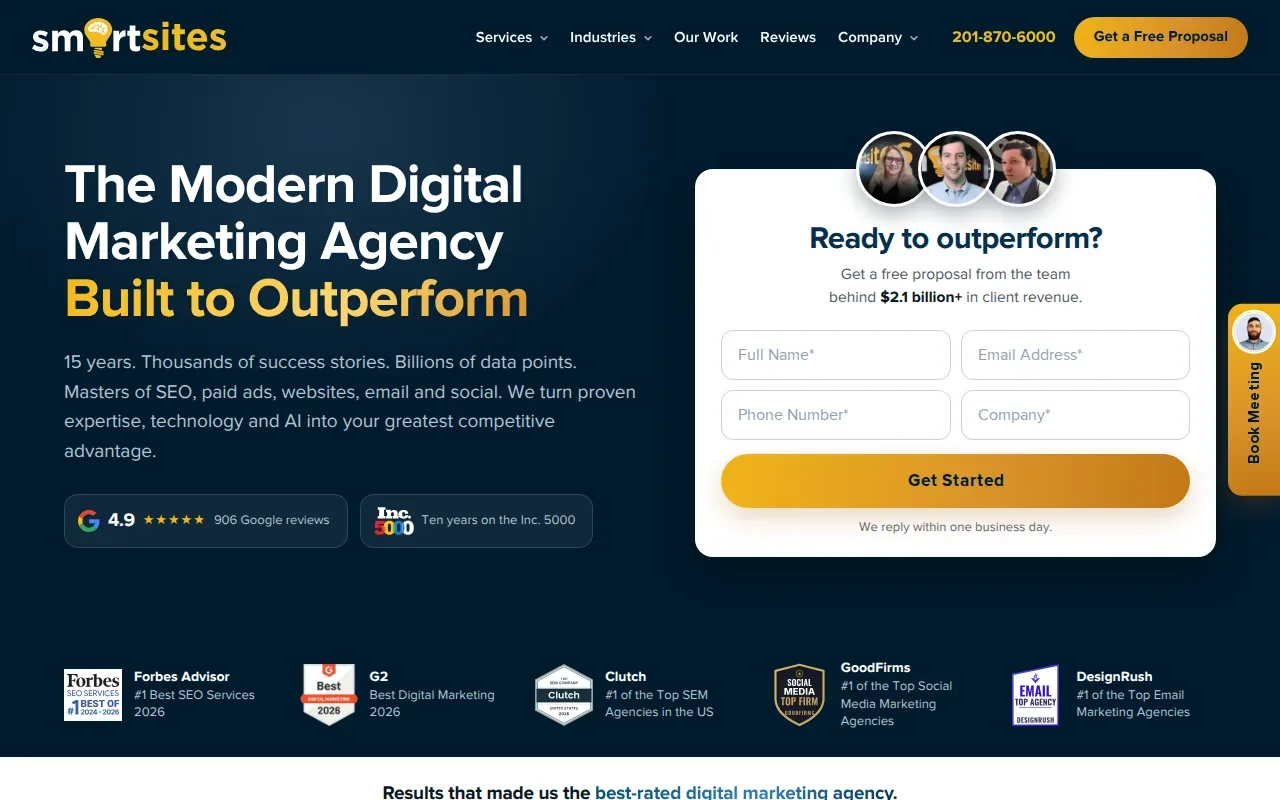
SmartSites highlights customer service and competitive rates. Its cost discussion says a small-business website can range from a few hundred to several thousand dollars, depending on scope and features. That broad span is a reminder to compare deliverables, not just the first quote: a store, custom function, or ongoing marketing work changes the job.
6. GroupM7: Tyler, Texas web design and local services
GroupM7 is a Tyler, Texas web design company that also lists SEO, logo design, hosting, and drone services. It has designed websites in the Tyler area since 1995. It may be worth considering for a local business that wants to discuss its website with a regional provider.
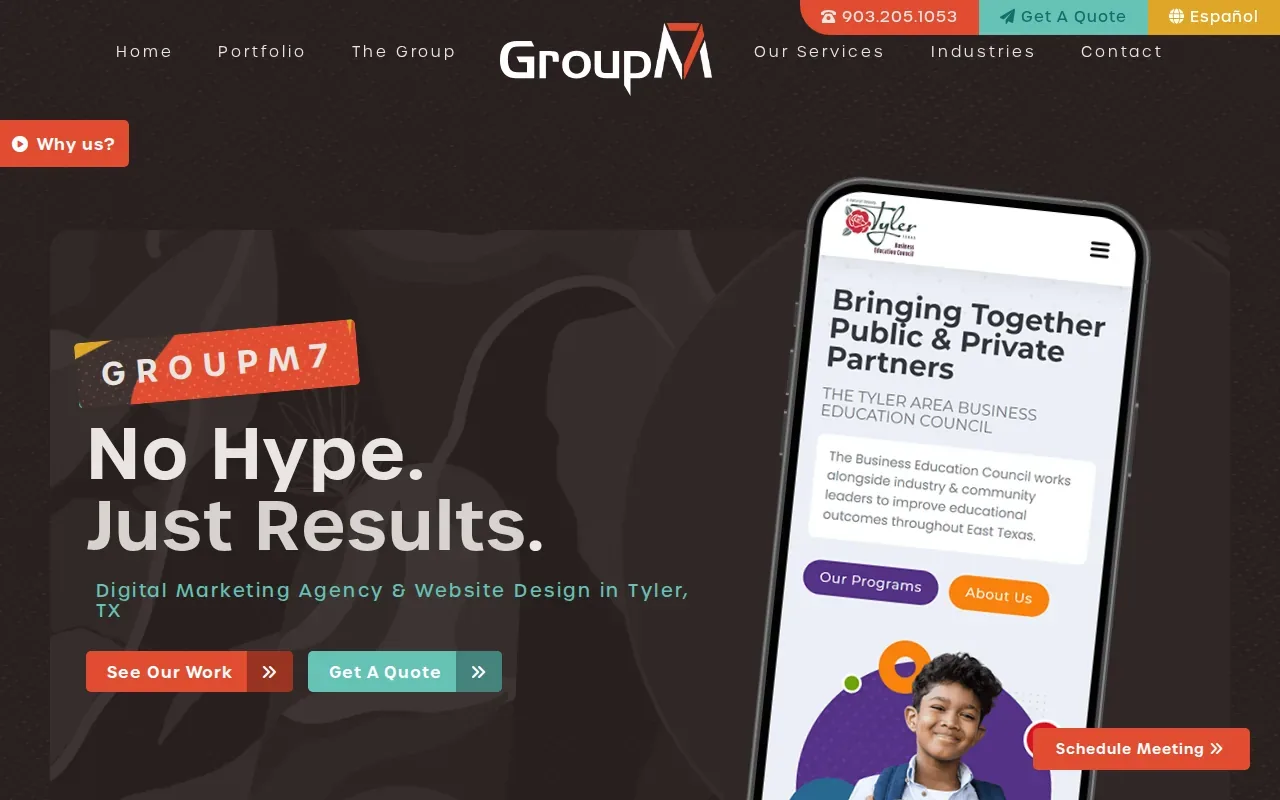
Because its services cover more than web design, be clear about what you want included. A contractor might need a clear service-area page and an estimate request form; a local shop may need its hours and location easy to find. Ask for a written scope that separates site work from any other service.
7. DS Website Design: Business website packages in Lakeway, Texas
DS Website Design specializes in professional business website design for Lakeway, Texas, and describes itself as a full-service website company with business web design packages. It’s a local option to consider if you want a business site built around a defined package.
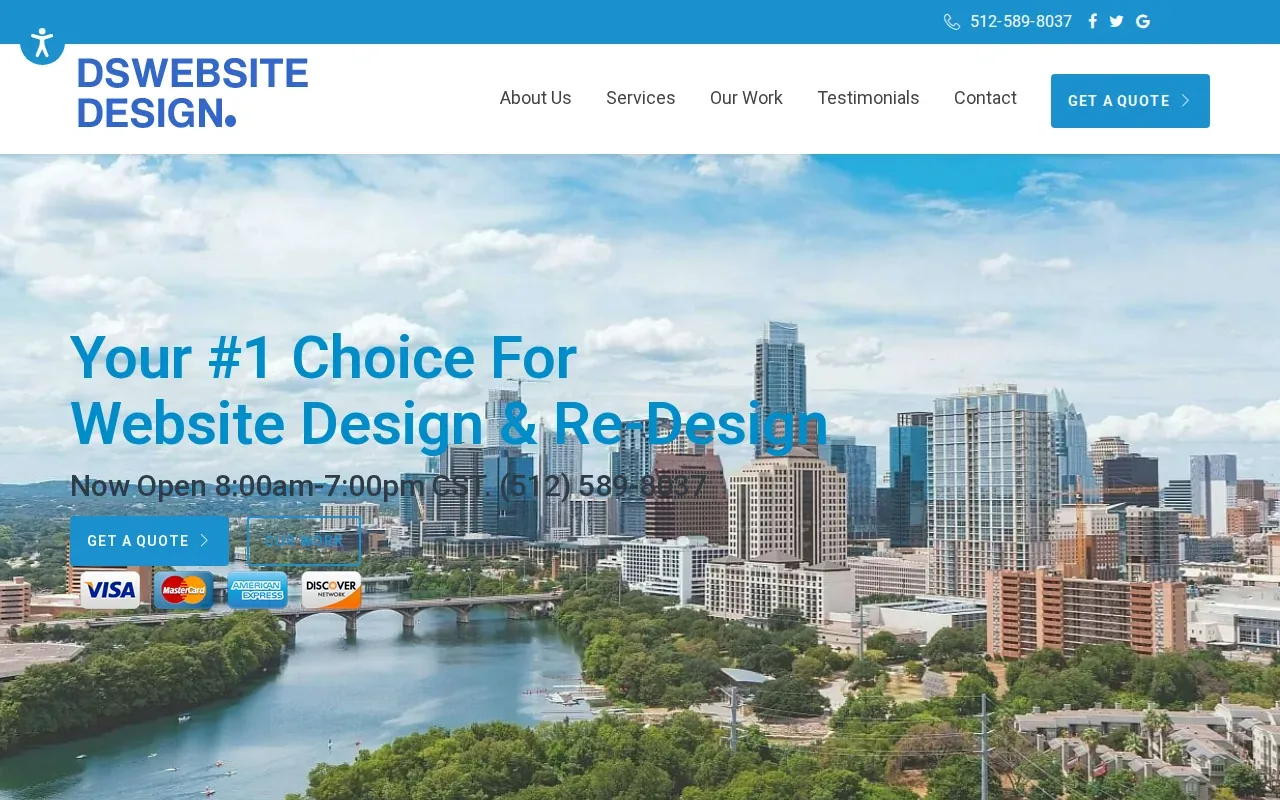
Before comparing a package with custom development, check that its pages and functions match your actual needs. A simple local service site may call for a different scope than an online shop or a site that must connect with existing software. Confirm who will handle updates and support after launch.
8. Shores Media Design: A local design option to investigate
Shores Media Design is another named option for a small business to investigate. Use an initial conversation to learn whether its work fits your project, budget, and preferred way of working.
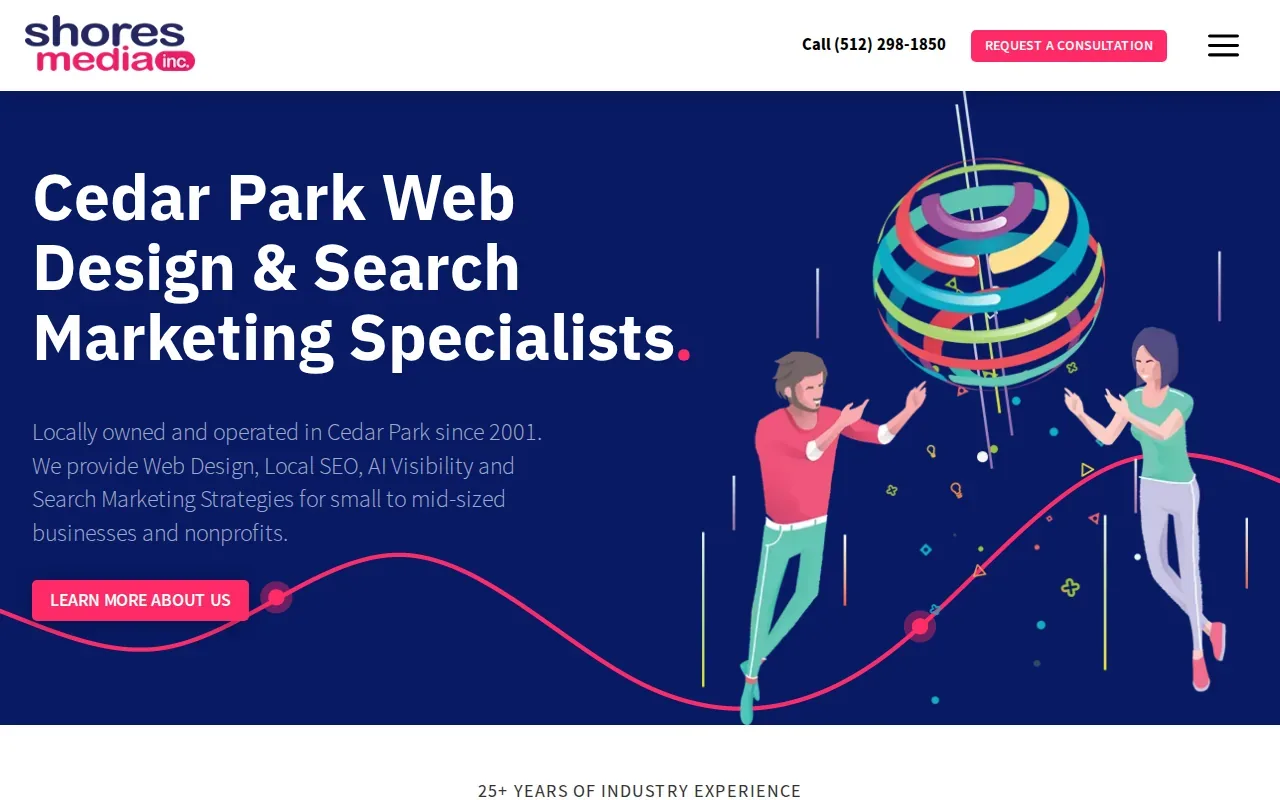
Bring a short list of needs to that discussion: the kind of site you want, the pages visitors need, and any tools the site must connect to. Ask how the work is scoped and what support is available after launch. Those answers give you a fair basis for comparison without assuming what the provider includes.
9. Itransition: Software development for complex growth needs
Itransition provides software development, technology consulting, and digital transformation services. Since 1998, it has helped more than 800 organizations build, modernize, and scale digital solutions. It may be better suited to a business with complex software needs than to one seeking a basic brochure site.
If your project involves a custom application or several systems that need to work together, ask how the proposed work differs from a standard website build. For a small firm that only needs a few pages, a simpler route may be easier to scope and maintain.
Quick comparison: Which website development option fits your business?
The right route depends on how much control and support you need. A DIY builder shifts more of the setup and upkeep to you. A freelancer or agency can take on more of the build, while custom development makes sense when a standard site won’t handle the job.
| Route or provider | Best fit | Trade-off to weigh |
|---|---|---|
| DIY website builder | A simple site you can manage yourself | You handle setup, content, and routine changes |
| Freelancer | A defined project with limited custom needs | Agree on scope, handoff, and future support |
| Lakeway Web Development | Custom sites, apps, or system connections | Match its mid-size business focus to your budget |
| Local or digital agency | Design, development, or marketing help under a project scope | Compare exact deliverables and ongoing costs |
For a solo service provider with a few pages, start by pricing a DIY build against a clear freelancer quote. For an online shop, confirm that product pages and secure payment handling are in scope. For a firm that needs custom search or connected systems, Lakeway Web Development is the stronger fit to discuss first.
What an affordable small-business website should include—and cost over time
A website should make it easy for a potential customer to understand what you do and take the next step. At minimum, plan for mobile-friendly pages, clear contact or inquiry paths, and page titles and content that describe your services. Add only the functions your business will use. A restaurant may need a menu; a contractor may need service details and a quote request; an online seller needs a store flow and secure payment handling.
Budget beyond launch. A domain and hosting are ongoing expenses, and the hosting plan should fit the site’s needs. Updates also take time, especially if your pages, products, or services change often. SmartSites’ cost discussion notes that domain and hosting costs vary by plan, while maintenance can be recurring. Set aside room for those costs before choosing a build price.
Keep costs in check by writing the scope first, using existing brand materials where they fit, and delaying custom functions that don’t solve a current problem. A CMS can let you make routine content edits, though paid themes or add-ons may add expense. If you expect more complex features later, ask how they can be added without rebuilding the whole site.
Confirm current pricing with each provider, using the same page count and features as your comparison. SmartSites gives a broad range of a few hundred to several thousand dollars for a small-business website. Treat that as context, not a quote for any of the named providers. For a closer comparison of builder choices, see our small-business website builder options.
DIY is often the more hands-on route; hiring help can reduce the work you manage yourself, but the scope needs to be clear. A site also has value only if it helps customers act. Track inquiries or sales after launch, then compare those results with the ongoing site costs. That’s a useful way to judge whether the site is paying its way, without assuming a return before you have your own numbers.
For a custom project, we recommend starting with the work your site must do now, then asking how it can grow later. Lakeway Web Development’s services include maintenance and support for existing systems. Its website also names portfolio projects, but a project name alone doesn’t show a savings figure or return, so ask for examples relevant to your own needs. If you’re weighing custom development costs, use our custom web development pricing overview to frame the questions.
Frequently Asked Questions
How much does an affordable small-business website cost?
Costs depend on the site’s scope, design, and functions. SmartSites’ cost discussion gives a broad range from a few hundred to several thousand dollars for a small-business site. That isn’t a quote for any provider in this shortlist. Ask for a written estimate that separates design and development from hosting, maintenance, store functions, and other ongoing costs.
Is it cheaper to build a business website myself?
A DIY builder can reduce the amount of paid development work, but you’ll handle setup and routine edits yourself. Your total cost also depends on any paid themes, add-ons, domain, hosting, and the time you spend maintaining the site. Compare those costs with a freelancer or agency quote that clearly states what work and support it includes.
Should a small business hire a freelancer or an agency?
A freelancer can fit a clearly defined project with limited custom needs. An agency may be a better match when you need several kinds of work, such as design and marketing, or a more involved build. In either case, ask who handles updates after launch and make sure the proposal lists the pages, features, and handoff terms.
What should a small-business website include?
A business site should work on mobile screens and explain what you do in plain language. Give visitors a clear way to take the next step, such as asking for a quote or viewing a menu. Add functions based on the business: a seller may need a store, while a local service firm may need service-area details and an inquiry path.
When does custom website development make sense?
Custom development is worth discussing when a standard site can’t support a needed feature or connection to other business systems. It may also suit a business planning a custom web application. If your needs are only a few informational pages, compare a builder or a simpler project quote before paying for more than you’ll use.
Conclusion
For a simple site, compare a DIY build with a tightly scoped freelancer quote. If you need custom search, an app, or connected systems, start a project conversation with Lakeway Web Development and ask for a written scope that includes support after launch.