
A local customer may find your business on a phone, then decide in seconds whether your site feels clear and trustworthy. The right website development services for local businesses make it easier for people to find your services and take the next step. Here are three named options, with a closer look at what each one is suited to.
1. Lakeway Web Development
Lakeway Web Development builds custom websites, software, and apps, with services that include web applications, mobile apps, UX/UI design, ChatGPT integration, and maintenance and support. It’s a fit for local and mid-size businesses that need more than a basic brochure site, especially when the website must connect with existing business systems.
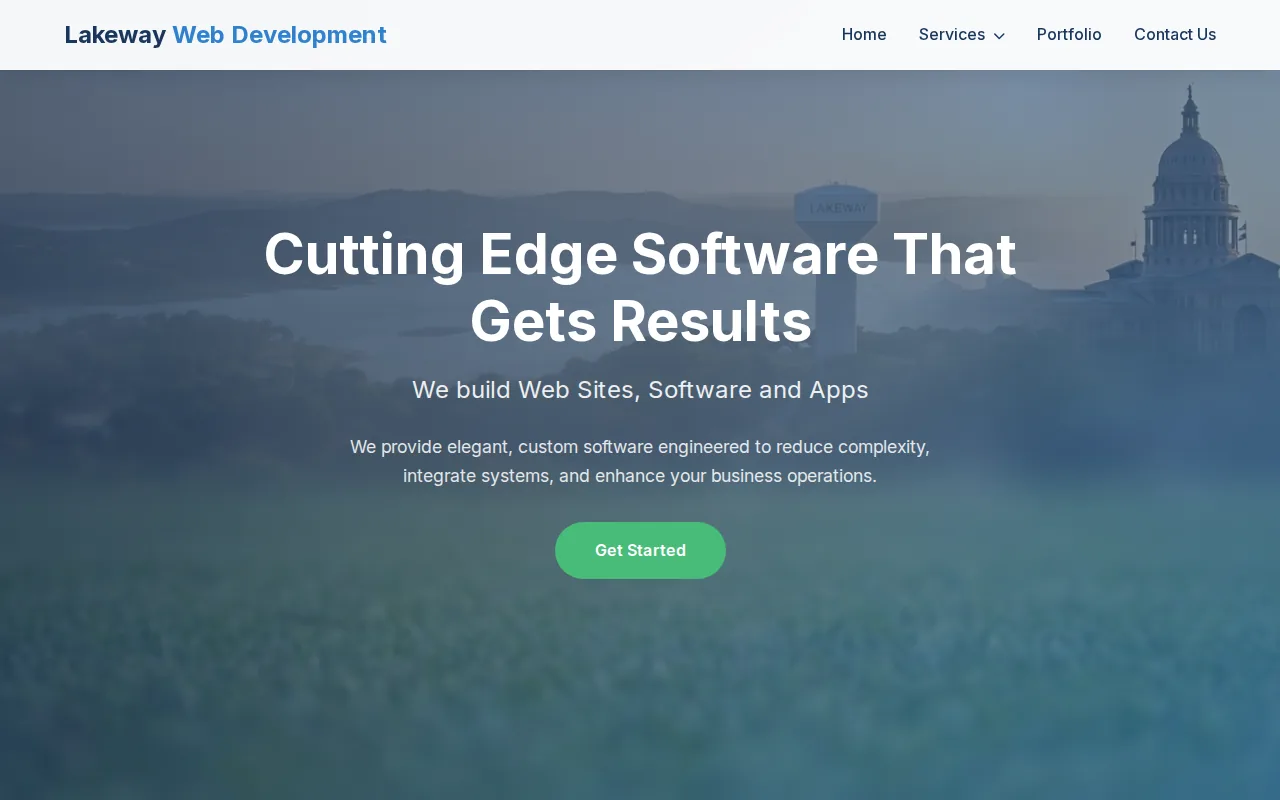
For a local firm, that can mean planning a mobile-friendly site around what customers need to do, then adding custom functions as the business grows. Lakeway also describes AI-powered search and system integration as part of its work. AI-powered search lets people ask questions in natural language; system integration can link a site or app with tools a business already uses.
The company’s site lists featured projects such as Texas Tough Tops, AO Amigos Auto Service, and Masters Consulting, LLC. These are useful examples to review when you assess a provider’s work. Ask how a proposed design would handle your own service pages, lead form, and customer path, rather than judging by screenshots alone.
Support matters after launch, too. Lakeway describes maintenance plans that help keep software secure, updated, and running smoothly. If your business relies on a site-connected app or custom workflow, discuss who handles updates and how support fits your day-to-day work. Businesses planning a mobile product can also review Lakeway’s mobile app development services.
Lakeway is the strongest match in this shortlist when your requirements include custom development, AI-powered search, or connected systems. For a small site with a few basic pages, first agree on the exact scope you need so the build doesn’t exceed the job.
2. Simpalm
Simpalm delivers custom app, web, and AI development solutions. It may suit a local business that has a clear need for custom software alongside its website, such as a service that needs a purpose-built digital experience rather than a simple set of information pages.
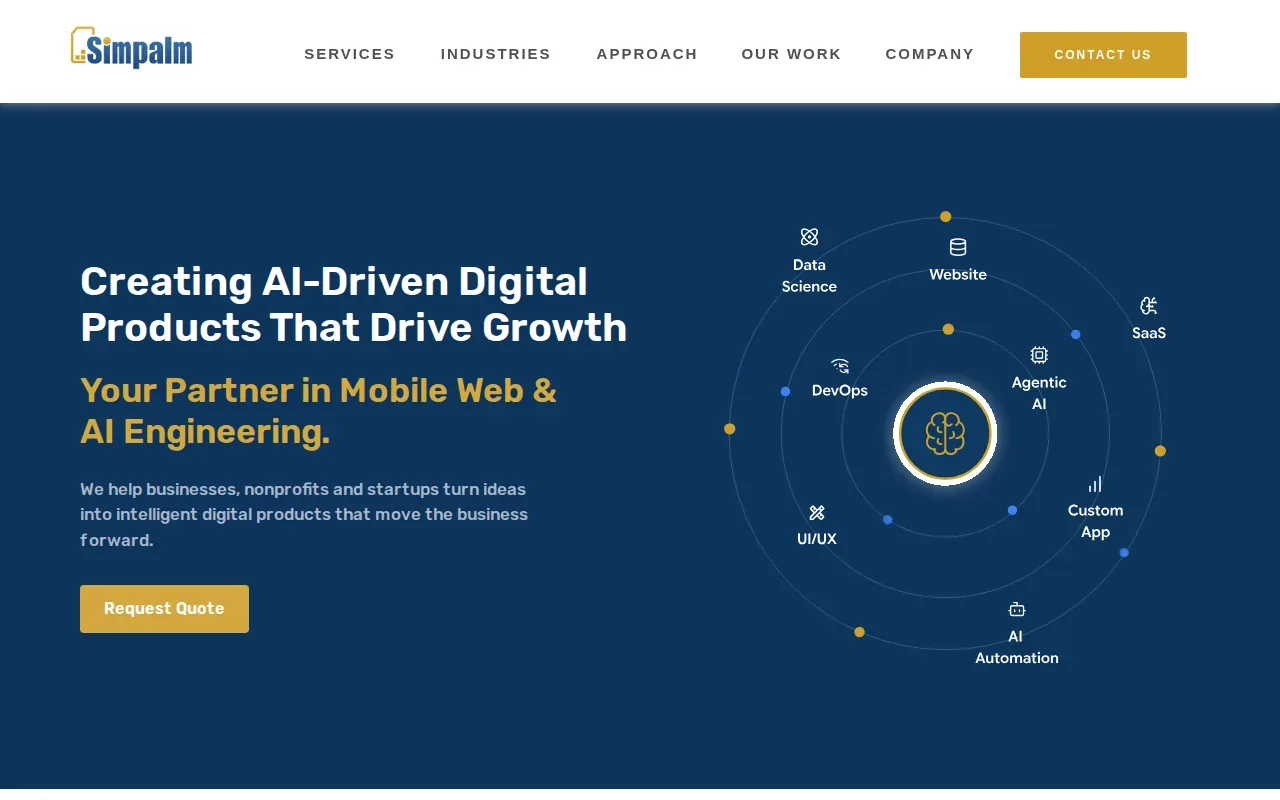
That distinction is worth making early. A business that mainly needs customers to see its hours, service area, and booking details may have a different project from one that needs a custom web application. Before comparing proposals, write down what customers must be able to do on the site. Then note which staff members will use any connected software.
For local discovery, ask how the provider will structure pages around your services and the places you serve. Google says local results are mainly based on relevance, distance, and prominence in its official guidance on local ranking. A development partner should be able to explain how the site will make your business information and service pages clear, without promising a specific search position.
Also pin down ownership and ongoing work before the project begins. Your written scope should say who manages updates, what support covers, and how a future change gets approved. That keeps a custom build from becoming hard to maintain once the original project is done.
Simpalm is worth considering when custom app, web, or AI development is central to the project. If your core need is a straightforward local marketing site, compare the proposed work against that smaller brief before choosing a custom software path.
3. CodeVix
CodeVix is another named option for a business to consider. The useful way to assess any provider is to compare its written proposal with your actual job, rather than assume that a company name alone tells you how a project will run.
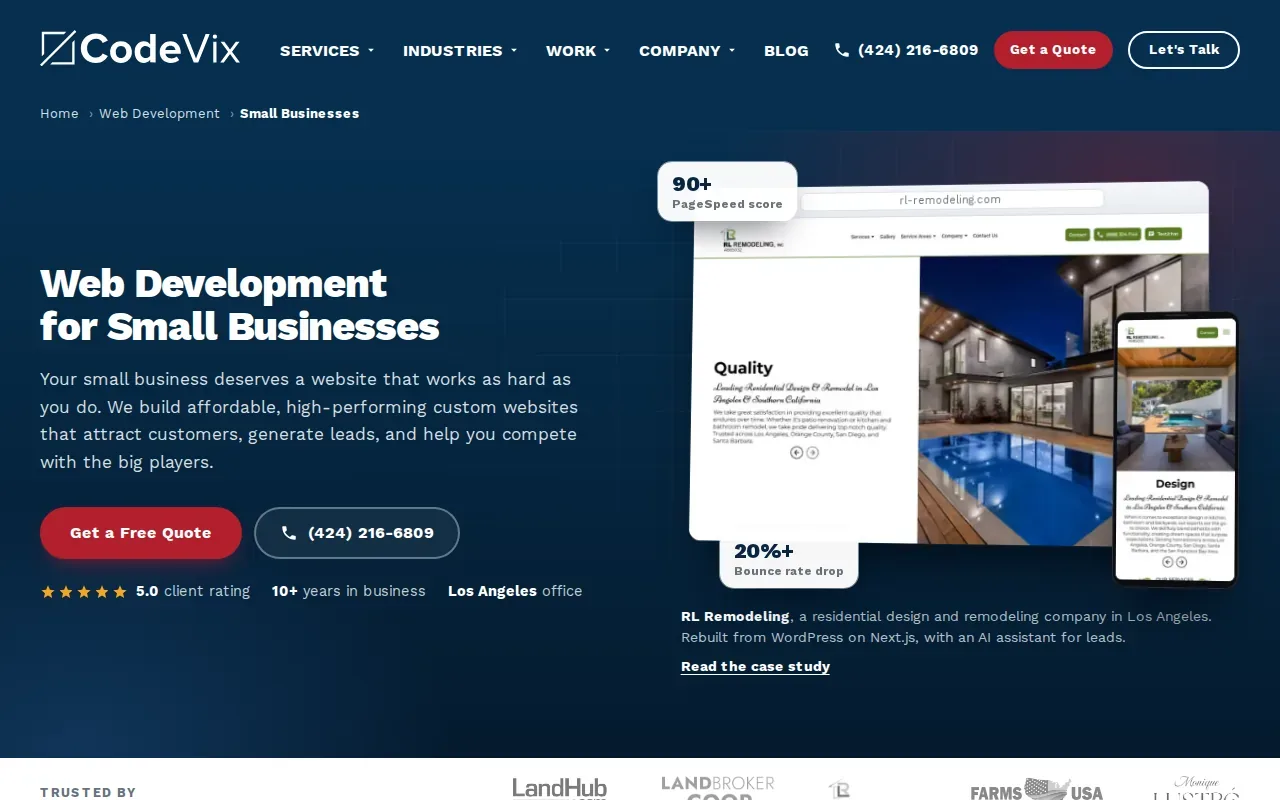
Start with the customer task. A contractor may need a clear way to explain service areas and collect quote requests. A dental practice may need visitors to find key service details and reach the right next step. In either case, check that the proposed page plan works on a phone and gives each service a clear path.
Then ask what local search work is part of the project. Google’s LocalBusiness structured data documentation explains that this markup can share details such as business hours with Google. Ask whether the plan accounts for accurate business details and how edits will be handled later.
Hosting and upkeep deserve the same attention as the design. Confirm who will manage the hosting account, apply updates, and respond if a form stops working. Ask for the work and support terms in writing. That gives you a clear basis for comparing options, even when providers use different tools or project methods.
CodeVix belongs on your shortlist if you want to compare another provider against the same project brief. Make the decision on the details in its proposal, including the pages, functions, support, and handoff you need.
Compare the Website Development Service Options
These providers don’t have equal amounts of detail in this shortlist, so compare their proposals against the same needs. A useful brief describes the customer task, the systems the website must connect with, and who will maintain it after launch.
| Provider | Known service scope | Potential fit | What to confirm |
|---|---|---|---|
| Lakeway Web Development | Custom web and mobile apps, UX/UI design, ChatGPT integration, maintenance and support | Local or mid-size businesses with custom needs or system connections | Page scope, hosting responsibilities, support terms, and project cost |
| Simpalm | Custom app, web, and AI development | Businesses seeking custom software alongside web development | Local site requirements, delivery scope, and ongoing support |
| CodeVix | Provider option to assess against your project brief | Businesses comparing proposals for a local site | Design, local SEO work, hosting, support, and written scope |
Price transparency is part of the comparison. Request a written breakdown that separates the initial build from ongoing costs, such as hosting or maintenance. Don’t treat a low starting quote as the full cost if the work you need sits outside its scope.
For a small business, a custom site is not automatically the best choice. It makes sense when your required pages, forms, or integrations need a tailored build. If your needs are modest, keep the scope modest too. Our overview of website development options for small businesses can help you compare the level of build with the job you need done.
For a deeper look at provider fit, the local website development company comparison covers project needs and partner selection. For design-focused decisions, consider what your customers need to see first on a small screen, then make sure the proposal supports that path.
Frequently Asked Questions
What should a local business website include?
A local business website should make it easy to understand what you do and how to take the next step. Include clear service information, accurate business details, and a layout that works on phones. Add booking, quote, or account features only when they fit your customer process. Ask the developer how you’ll keep the information current after launch.
Does a local business need a custom website?
A local business doesn’t always need a custom website. A small site with a few service pages may need a simpler build, while a business with custom forms, app features, or system connections may benefit from tailored development. Set out the customer tasks first, then ask providers to explain which parts of the proposal address them.
How does a website help with local SEO?
A website can help people and search engines understand your services and business details. Clear service pages support relevance, while accurate information helps customers decide whether you fit their needs. Local search also depends on factors beyond the website, including distance and prominence, so no developer can promise a particular ranking just by building a new site.
What should I ask a website developer before hiring them?
Ask what pages and features the quote covers, who manages hosting, and what support continues after launch. Find out who owns the domain and website files, how edits are requested, and what happens when a form or feature needs repair. A written scope gives you a fair way to compare proposals and plan for future costs.
Conclusion
For local businesses that need custom features or connected systems, Lakeway Web Development is the clearest fit in this shortlist. Start by writing down the pages, customer actions, and support needs your project requires, then share that brief with the team to discuss a suitable scope.