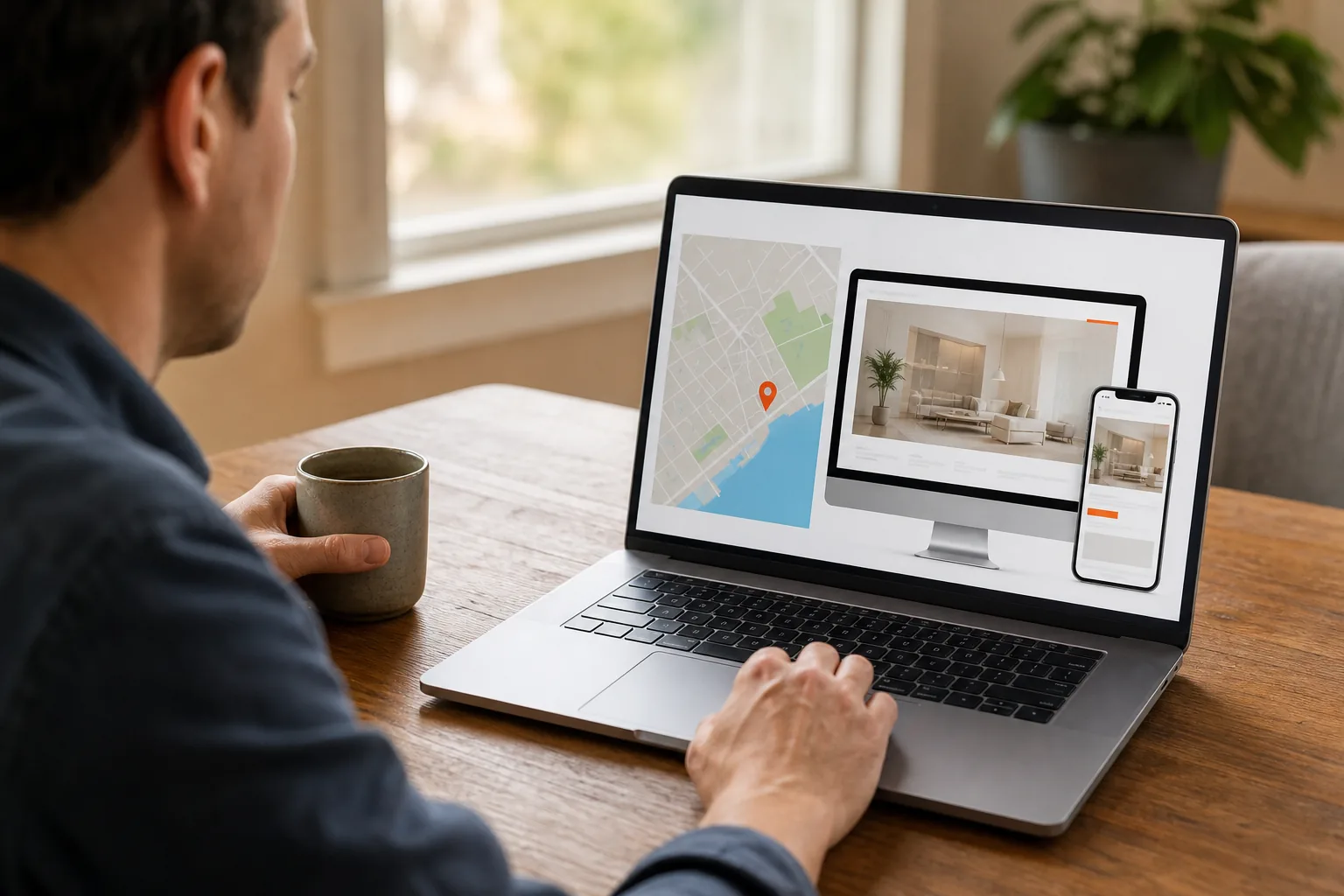
Looking for a website designer near me for small business? You need a partner who gets your local market, builds fast mobile sites, and stays within budget. Below is a deep look at what to expect, how to match scope to need, and when Lakeway Web Development shines.
What “Near Me” Should Mean for a Small Business Website Project
“Near me” isn’t just a Google query. It means the designer can meet you in person, understand local search patterns, and build a site that ranks for city‑specific terms. A local web designer can build a WordPress site with copy and images tailored to the neighborhoods the business serves. That approach shows why proximity matters: the designer can walk a few blocks, see the storefront, and write copy that mirrors what a passerby hears on the street.
Some web design providers work remotely rather than meeting clients in person. A remote option may suit a business looking for virtual support, but it can be harder to capture subtle local cues, like the way a Dallas plumbing client wants the phone number front‑and‑center on the home page.
When you choose a local partner, you also gain access to faster revisions. A designer who can sit with you in a coffee shop can sketch wireframes on the spot, test a mobile view on a real phone, and tweak copy while you watch. That immediacy cuts the back‑and‑forth that often drags projects out for weeks.
Responsive design helps a website adapt to phones, tablets, and desktops without separate code bases, a must‑have for any small‑business audience that now searches mostly on mobile. For more on responsive design, consider how the site will work across devices.
Match the Website Scope to the Business
Two eight‑page projects can look identical on paper but differ wildly in effort. One client brings ready‑made copy, a logo, and a simple contact form. The other needs new copy, a booking system, and a CRM integration. The first project may finish in a month; the second can take three months because every page has a unique layout and a live‑chat widget.
A starter website package may include a contact form, basic SEO, and a map embed. That may work for a consultant who only needs a landing page and a way for prospects to call. For a medical practice that wants appointment scheduling, patient intake forms, and HIPAA‑compliant data handling, the scope jumps dramatically.
A website budget can include planning, content, design, development, integrations, launch, and ongoing maintenance. Costs vary depending on complexity.
When you ask for a quote, ask which project stages are covered. A clear answer helps you compare providers without mixing apples and oranges.
For more on affordable options, see our guide to affordable website designer options. It walks through price ranges and what you get at each tier.
Compare Provider Types, Communication, and Project Process
Providers fall into three buckets: freelancers, boutique studios, and full agencies. Freelancers are often a single person handling design, development, and copy. They can be cheap, but if you need a quick turnaround or multiple revisions, you risk hitting a bottleneck when that one person falls ill or takes a vacation.
Boutique studios sit in the sweet spot. They have a small team, a designer, a developer, and maybe an SEO specialist, yet they keep the client relationship personal. You’ll usually have a single point of contact who can coordinate the team without passing you from one manager to another.
Full agencies bring many layers: account managers, multiple designers, developers, copywriters, and sometimes a dedicated SEO department. They can handle large projects, but the process often adds extra meetings, slower feedback loops, and higher costs.
Communication style matters as much as the team size. A good designer asks usable questions early: “What does a phone call look like for you right now?” and “Which services bring the most revenue?” Those questions cut the guesswork and keep the project on track.
Check how each provider tests speed and mobile usability. Ask how they evaluate page performance and whether they can demonstrate testing on a live site. A clear testing process shows operational care, not just a promise.
For a snapshot of top companies, read the comparison of companies that build websites for small businesses. It highlights how each type stacks up on cost, support, and flexibility.
Review Portfolio Quality, Ownership, SEO, and Ongoing Support
A portfolio screenshot looks good, but live sites reveal the truth. Load a designer’s site on a phone, click the contact form, and see if the phone number is clickable. A slow-loading site can frustrate visitors before they see anything.
Ask who owns the code, the domain, and the analytics. In WordPress, user roles control what people can access. Ask whether you’ll have an admin account and what updates are included. Clarify how you’ll edit content and who will handle updates.
SEO foundations matter. Page titles, meta descriptions, heading hierarchy, and schema can all be part of a small‑business site’s SEO setup. If a designer can point to those elements in your draft, they’re covering the essentials.
Support plans vary. Some agencies bundle unlimited edits for a year, while others charge hourly for post‑launch changes. Look for a clear SLA (service‑level agreement) that states response times for critical bugs versus minor tweaks.
Accessibility is another non‑negotiable. Simple checks include alt text for images and proper focus order. A designer who can show a compliance checklist is ahead of the curve.
When you need a quick reference, our guide on what to include in a professional small‑business website lists the must‑have pages and features.
When Lakeway Web Development May Fit a Small Business
Lakeway Web Development builds custom, responsive sites, mobile apps, and AI‑powered search. That makes it a strong match for businesses that need more than a template, for example, a medical practice that wants secure patient portals, or a contractor who needs a fast‑loading gallery with custom animations.
The team hand‑codes every site, avoiding bulky WordPress plugins that can slow load time. Their claim of sub‑0.5‑second page loads aligns with the research that sites slower than three seconds lose half their traffic. Hand‑coded code also reduces security risk, a key point for any site handling personal data.
Lakeway offers ongoing maintenance plans that include updates, security patches, and 24/7 support. For a small business that can’t afford a full‑time IT staff, that package provides peace of mind and keeps the site running smoothly.
Clients like AO Amigos Auto Service and Masters Consulting, LLC have praised the personal service. Because the founder, Ryan, answers calls directly, you avoid the “relay‑race” of big agencies where you talk to a new person at each stage.
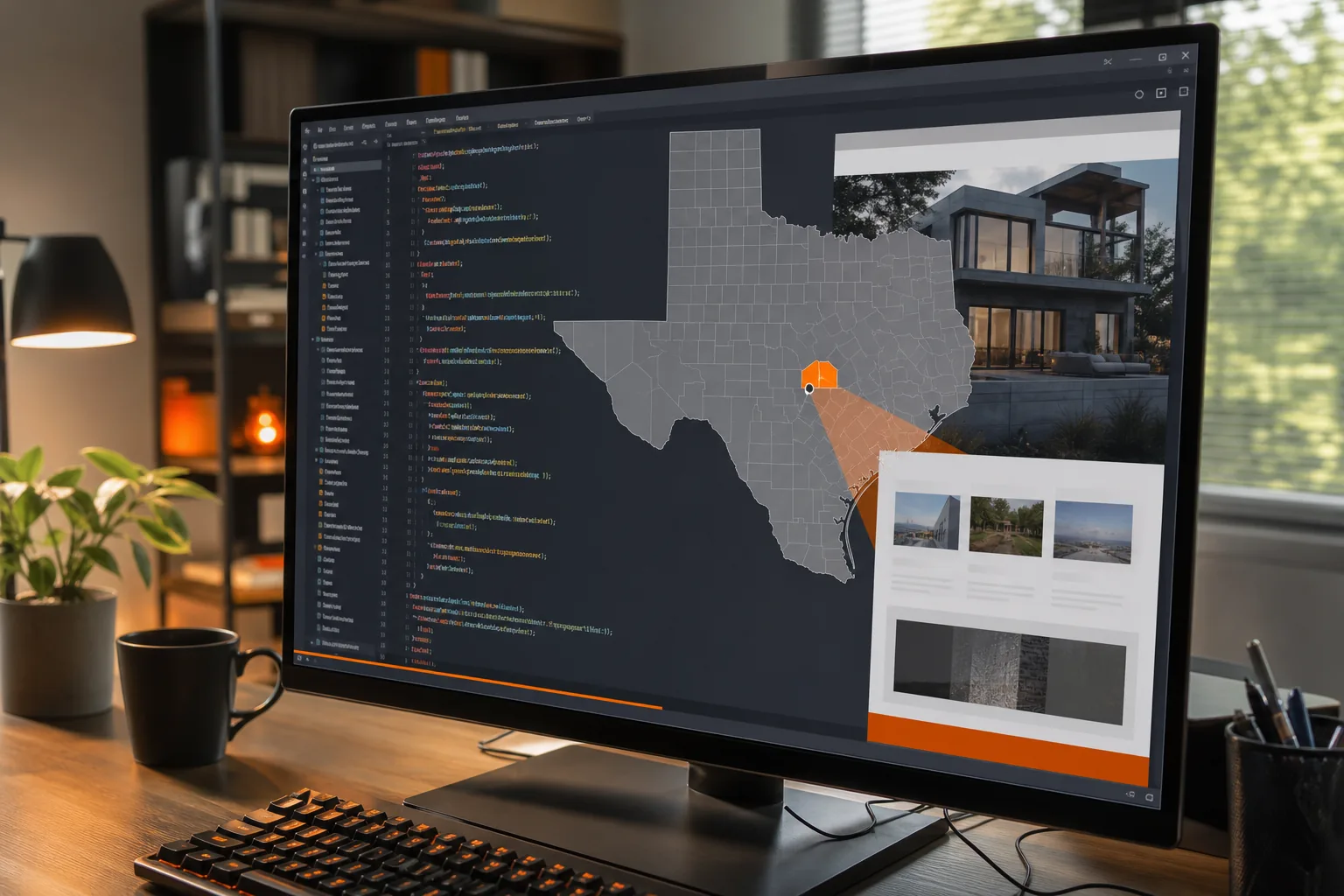
For a visual sense of their work, see the following image.
Frequently Asked Questions
What should I look for in a local website designer?
The most important factor is a proven track record of fast, mobile‑friendly sites that rank for local searches. Ask for live examples, check page speed, and confirm they handle SEO basics like meta tags and schema.
How much does a custom small‑business website cost?
Costs vary widely. Simple brochure sites start around $3,000, while custom integrations or mobile apps can push the price to $10,000 or more. The total depends on scope, not just page count.
Do I need a separate SEO service after the site is built?
Good designers include on‑page SEO in the launch, but ongoing content creation and link building often require a separate effort. A monthly SEO retainer can help maintain rankings.
Can I edit the site myself after launch?
Most providers give you an admin login to the CMS so you can change text and images. Hand‑coded sites may use a simple content editor that the developer sets up for you.
How long does a typical project take?
A straightforward five‑page site usually finishes in four to six weeks. More complex builds with booking systems or custom apps can take three to four months.
Conclusion
If you need a fast, secure, and locally optimized website, start by talking to Lakeway Web Development. Reach out through our contact page to schedule a free discovery call and see how we can tailor a solution for your business.