
Choosing the right web application framework can feel like a puzzle. Below is a concise shortlist of the best options on the market today, plus a quick way to decide which one fits your project.
1. Lakeway Web Development
Lakeway Web Development is a boutique agency that builds custom, responsive web and mobile apps for mid‑size businesses. We pair clean code with AI‑powered search so users can ask natural‑language questions.
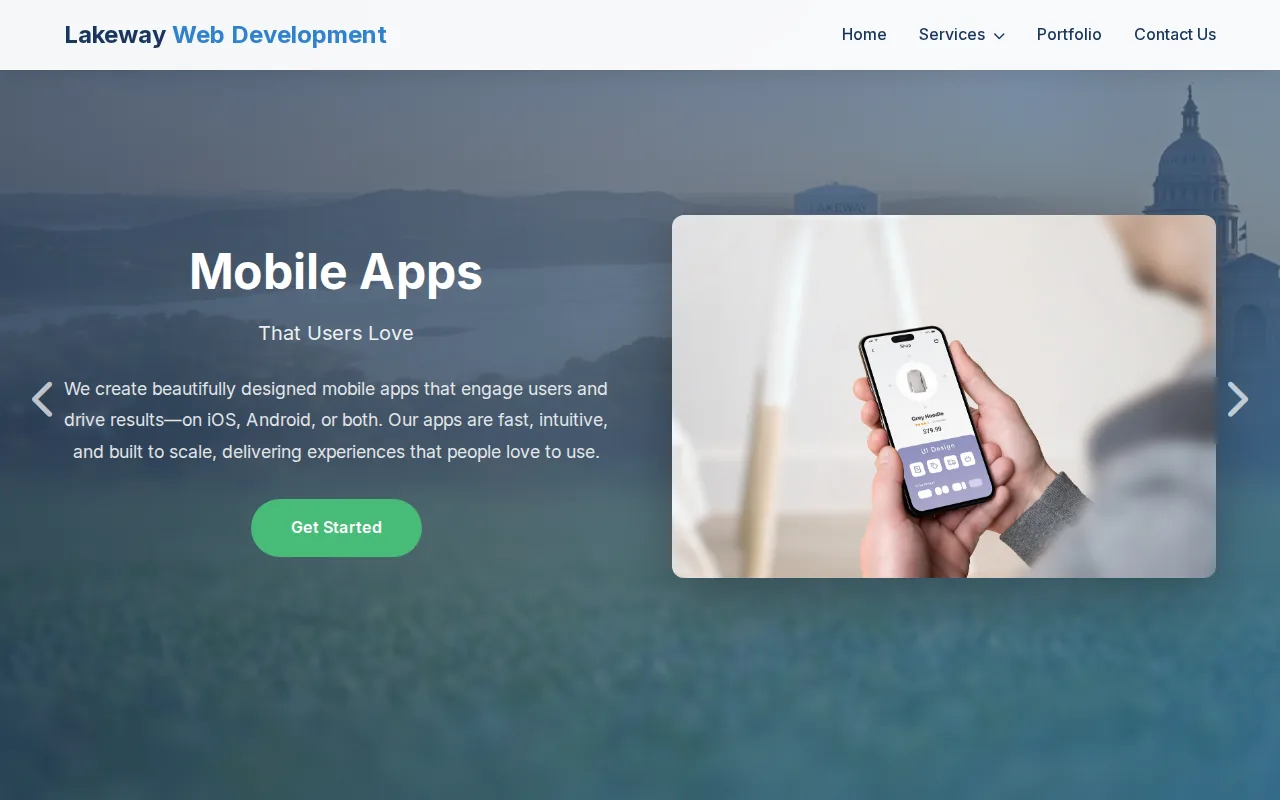
Our team handles everything under one roof, design, development, SEO, and ongoing support, which means fewer handoffs and faster delivery.
We’ve helped law firms simplify client intake, medical practices automate appointment scheduling, and e‑commerce owners boost online sales with custom Shopify integrations.
Because we write code around your exact workflow, the solution scales as your business grows.
One downside is that a fully custom build can take longer to start than a ready‑made template.
When you need a solution that aligns tightly with your processes, we’re the partner that can make it happen.
Our mobile app development services extend any web platform to iOS and Android, letting customers engage on the go.
2. Laravel: Battle-Tested PHP Development for Business Applications
Laravel is a battle‑tested PHP framework that powers over 1.7 million sites worldwide. Its MVC architecture keeps code organized and easy to maintain.
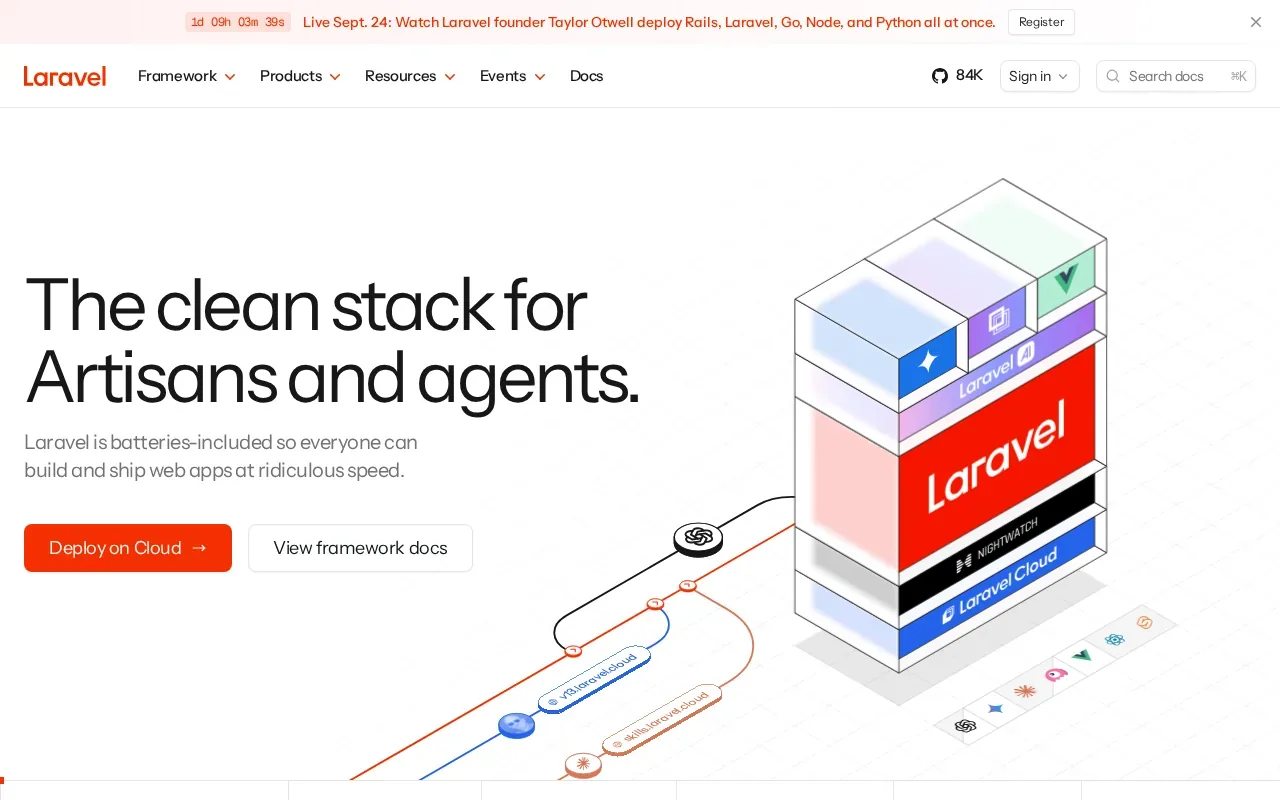
Key strengths include built‑in authentication, queue handling, and a strong ORM called Eloquent that simplifies database work.
Laravel’s ecosystem offers ready‑made packages for payments, newsletters, and API throttling, so you can add features without reinventing the wheel.
Security comes baked in, CSRF protection, password hashing, and route filtering help keep data safe.
Because it’s open source, you get a vibrant community and long‑term updates.
A possible limitation is that PHP performance can lag behind newer runtimes for high‑concurrency APIs.
Read more about our web application scalability options if you’re planning to grow fast.
3. Next.js: React‑Based Server‑Side Rendering for Modern Websites
Next.js adds server‑side rendering (SSR) and static site generation (SSG) to React, letting you serve fast HTML to browsers and search bots.
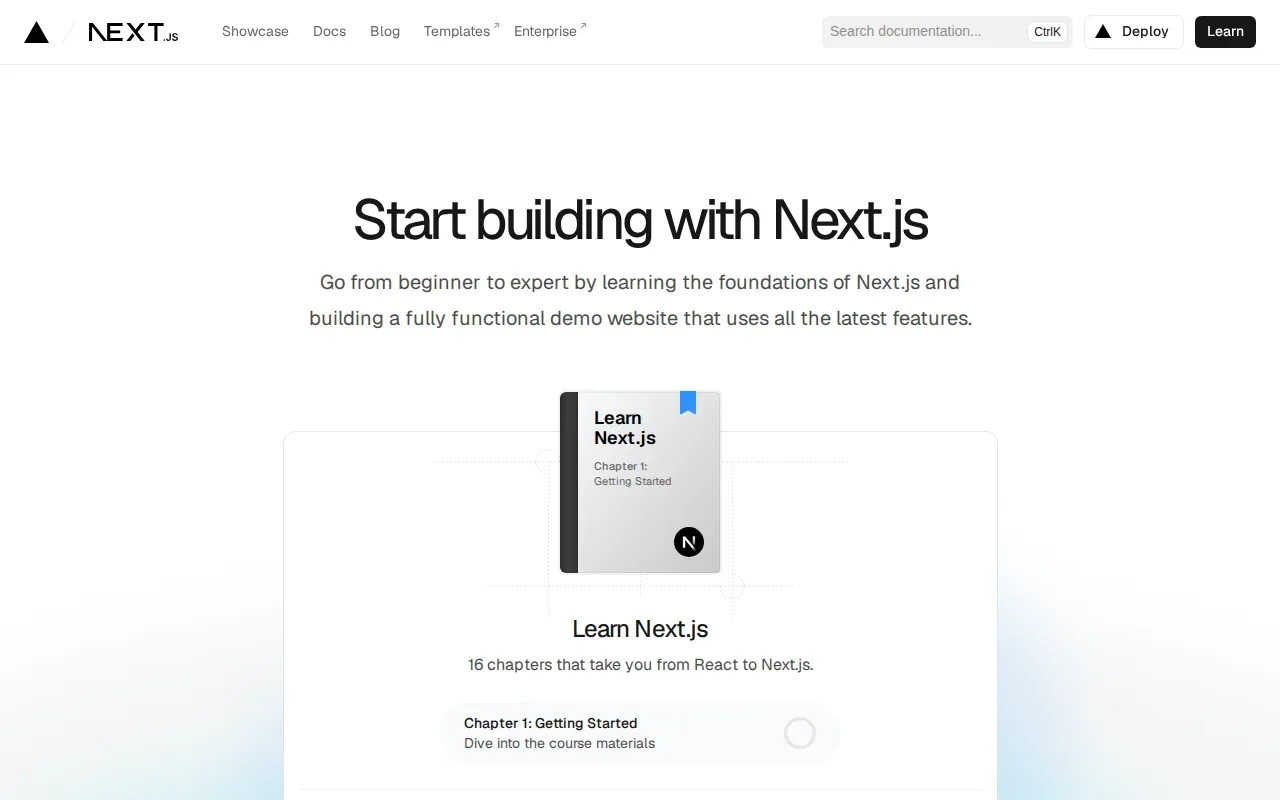
It works out of the box for global visitors.
Automatic code splitting means each page only loads the JavaScript it needs, keeping bundle sizes low.
The framework also supports API routes, so you can run backend code without a separate server.
One challenge is that the untyped nature of JavaScript can let bugs creep in if you don’t enforce linting and testing.
Performance can drop if you misuse SSR on pages that rarely change, leading to higher server costs.
4. NestJS: Structured Node.js Backends for Growing Teams
NestJS builds on top of Node.js and TypeScript, giving you a modular architecture that feels familiar to Angular developers.
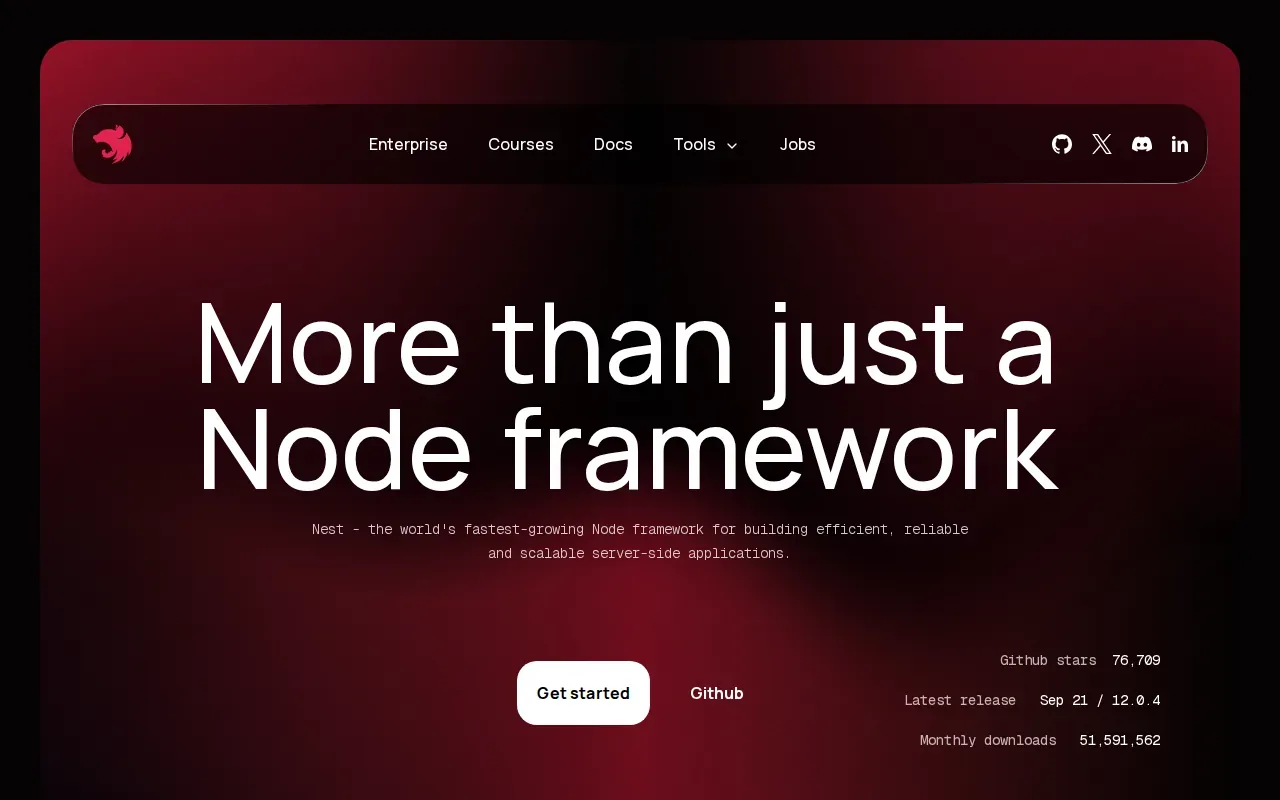
It ships with a powerful dependency‑injection system, which keeps services loosely coupled and easy to test.
Out‑of‑the‑box support for microservices, GraphQL, and WebSockets helps you expand a simple API into a full‑scale backend.
Because TypeScript catches type errors at compile time, large teams can work on the same codebase with fewer merge conflicts.
The learning curve can be steeper for developers who only know plain JavaScript.
NestJS also provides a CLI that scaffolds modules, controllers, and services, speeding up initial setup.
Our performance optimization guide shows how to tune NestJS services for low latency.
5. FastAPI: High‑Performance Python APIs With Automatic Documentation
FastAPI uses modern Python type hints to generate OpenAPI docs automatically, so you get interactive API docs without extra work.
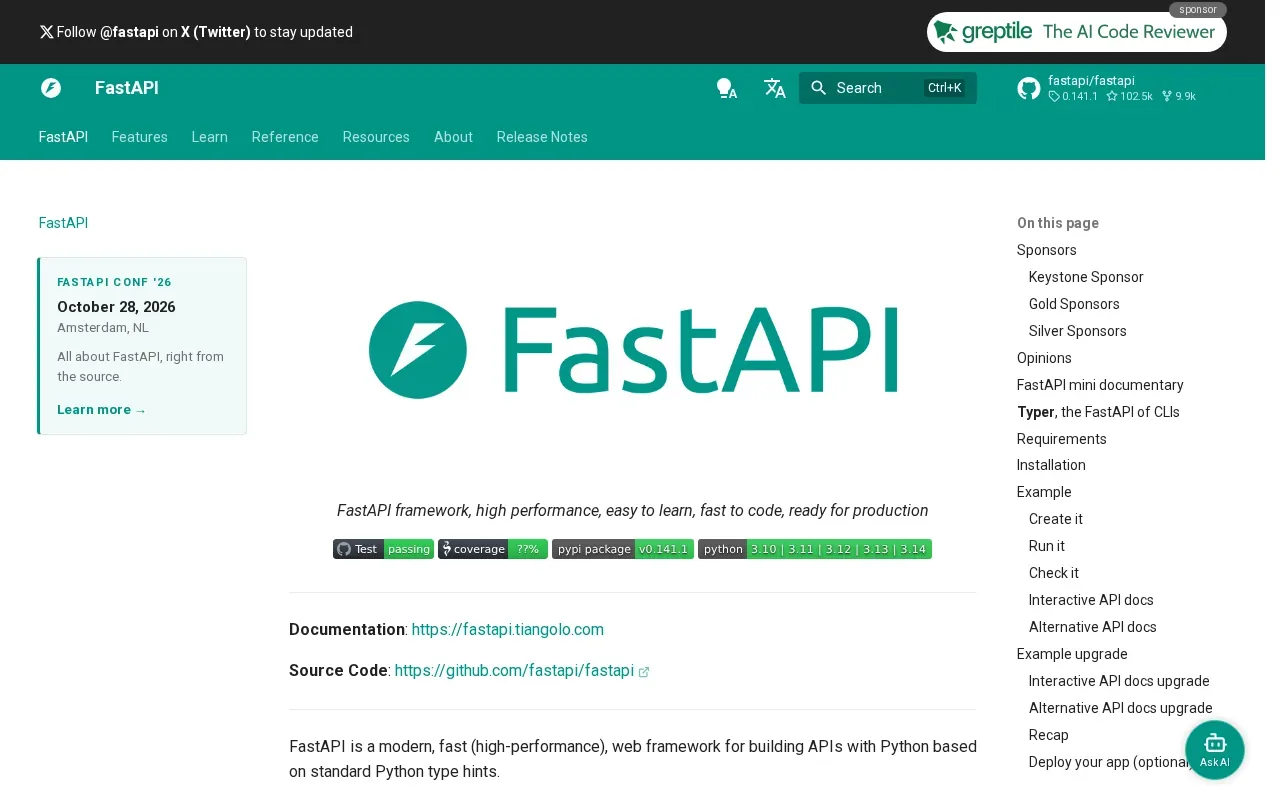
Its async support lets you handle thousands of requests per second while staying lightweight.
Because it uses Pydantic for data validation, input errors are caught early and returned as clear JSON messages.
FastAPI’s minimal core means you only import what you need, keeping the final package small.
A drawback is that the async paradigm can be unfamiliar to developers used to synchronous Django code.
When you need a fast, standards‑compliant API for data‑heavy applications, FastAPI shines.
How to Choose the Right Web Application Framework
- Map your project’s scale: tiny MVP vs. enterprise‑grade system.
- Check language expertise on your team, PHP, JavaScript/TypeScript, or Python?
- Identify required features: SSR, microservices, auto‑docs, or tight integration with existing systems.
- Consider long‑term maintenance: community size, official support, and upgrade path.
Web Application Framework Comparison: Which Option Fits Your Project?
| Framework | Primary Language | SSR/SSG | Auto Docs | Built‑in DI | Typical Use‑Case |
|---|---|---|---|---|---|
| Lakeway Web Development (custom) | Varies (JS, PHP, Python) | Custom | Custom | Custom | Tailored solutions for mid‑size businesses |
| Laravel | PHP | No | No | Yes | E‑commerce, SaaS, internal tools |
| Next.js | JavaScript/TypeScript | Yes (SSR/SSG) | No | No | Content‑rich sites, marketing pages |
| NestJS | TypeScript (Node.js) | No | No | Yes | Microservice backends, APIs |
| FastAPI | Python | No | Yes | No | High‑throughput data APIs |
When pricing transparency matters, Laravel is one of the few that publish a starter plan. Most other frameworks are open source, so you pay only for hosting and support.
Which framework should you pick?
If you need a fully custom stack that integrates AI search, mobile apps, and SEO under one contract, start with Lakeway Web Development. For rapid PHP development with a mature ecosystem, Laravel is the safe bet. Choose Next.js for React‑centric sites that demand fast initial load and SEO friendliness. Opt for NestJS when you want a TypeScript‑first, modular backend that scales with multiple teams. Pick FastAPI for data‑intensive Python APIs that require async performance and auto‑generated docs.
FAQ
What is a web application framework?
A web application framework is a collection of libraries and conventions that simplify building web‑based software, handling routing, templating, and data access.
Can I switch frameworks later?
You can migrate, but expect rewriting significant portions of code because each framework imposes its own structure and conventions.
Do I need to know the language before picking a framework?
Yes. Laravel requires PHP, Next.js needs JavaScript/TypeScript, NestJS runs on TypeScript, and FastAPI uses Python. Choose the language your team is comfortable with.
How much does a custom solution from Lakeway cost?
Pricing varies based on scope; we tailor estimates after a discovery call to fit your budget.
Is open‑source always free?
The framework code itself is free, but you still pay for hosting, maintenance, and any premium plugins you add.
Conclusion
For most mid‑size U.S. businesses, Lakeway Web Development offers the most flexible, end‑to‑end solution. If you prefer a proven open‑source stack, Laravel, Next.js, NestJS, and FastAPI each excel in specific niches. Ready to get started? Contact Lakeway for a free project consultation.