Software that sits on your servers or in the cloud won’t run forever without care. If you skip the upkeep, bugs pile up, security holes widen, and you lose the edge that the software gave you. That’s why a software maintenance agreement matters. In this guide we break down what the agreement looks like, the pieces it should contain, how you pay for it, and why it pays off. We’ll also show you risks of going without one and give you tips for picking the right contract for your business.
What Is a Software Maintenance Agreement?
A software maintenance agreement (or SMA) is a legal contract that binds a vendor to keep a piece of software running smoothly after it’s delivered. The vendor promises to provide technical support, bug fixes, and updates for a set period. Some contracts let you use every new release that comes out, while others lock you into the version that existed when you signed the deal.
The agreement also sets the rules for how long you can use the software before the license expires. It can extend the life of features that would otherwise stop working after a certain date. In short, it gives you a safety net so you don’t have to scramble every time a patch is needed.
Benefits are clear. You get peace of mind that someone will handle upgrades, you avoid the hassle of hunting down patches yourself, and you have a go‑to person for troubleshooting. That peace of mind is why many mid‑size firms treat a maintenance contract as a core part of their IT budget.
Legal scholars note that a maintenance contract is a binding agreement that creates enforceable obligations for both sides. Wikipedia explains the technical and legal dimensions of software maintenance and shows why a written contract beats a verbal promise.
At Lakeway Web Development we publish a clear support model that spells out what you get, when you get it, and how we charge. That transparency lets you plan costs and avoid surprise fees.
Essential Components of a Software Maintenance Agreement
When you read a maintenance contract, look for a few core sections that set expectations for both sides. Missing any of these can lead to confusion later on.
Scope of Services
The contract should list exactly what the vendor will do. Typical items are bug fixes, security patches, performance tweaks, and new feature releases. A detailed scope helps you know whether a critical bug will be fixed within hours or days, and whether you’ll get optional upgrades.
Payment Terms
How you pay matters as much as what you get. Some vendors charge a flat monthly fee, others bill hourly for each call, and a few use prepaid service blocks. The agreement should spell out the amount, billing cycle, and any penalties for late payment.
Service Level Agreement (SLA)
An SLA is the promise on response times and resolution windows. For example, a 4‑hour response for critical issues is common. The SLA may also define system uptime guarantees and penalties if the vendor misses a target.
Legal Protections
Both parties need clauses that protect their rights. Look for confidentiality, intellectual‑property ownership of any custom code, and termination rights. A well‑written legal section saves you from disputes down the line.
Lakeway’s own maintenance page walks through each of these items with real examples, so you can see exactly how we structure the agreement. Maintenance & Support - Lakeway Web Development offers a template you can use as a checklist.

Key takeaway: A solid agreement spells out scope, cost, SLA, and legal terms in plain language. Anything vague can become a source of friction later.
Common Pricing Models for Software Maintenance
Pricing is where many contracts differ. Understanding the options helps you match costs to your usage patterns.
Flat‑Rate Subscription
Most vendors offer a predictable monthly or annual fee. This works well when you have steady usage and want budgeting certainty. The fee often covers all updates and a set number of support hours.
Hourly or Pay‑Per‑Use
If your software is used sporadically, paying only when you need help can save money. The downside is that a sudden spike in issues can lead to a high bill.
Prepaid Service Blocks
Some vendors sell blocks of support hours (e.g., 20 hours for $X). You draw from the block as needed. It blends predictability with flexibility.
According to a best‑practice guide from the U.S. General Services Administration, vendors often present these three models and advise buyers to align the model with the criticality of the software and the expected support volume. GSA’s maintenance pricing guide outlines the pros and cons of each approach.
When you compare offers, ask for a clear breakdown of what each model includes. For instance, does a flat‑rate cover emergency patches? Does an hourly rate include travel time for on‑site work?
Pro tip: If your contract includes a flat fee, ask for a cap on annual price increases. Many vendors try to raise fees each renewal cycle, and a cap protects your budget.
Benefits of Having a Software Maintenance Agreement
Having a contract in place does more than just keep bugs fixed. It adds real value to your operations.
Reduced Downtime
When an issue hits, you can open a ticket and get a response within the SLA window. That means your team spends less time waiting and more time serving customers.
Access to New Features
Vendors regularly add features that improve productivity. A maintenance agreement lets you upgrade without negotiating a new license each time.
Legal and Security Compliance
Many industries require that software stay patched for security reasons. A contract guarantees you’ll receive critical patches on schedule, helping you stay compliant with regulations like GDPR or HIPAA.
Research from industry sources shows that firms that renew their maintenance contracts often see a quick return on the expense because the first ticket they open saves more than the cost of the contract. Industry reports on reasons to renew explain this in detail.
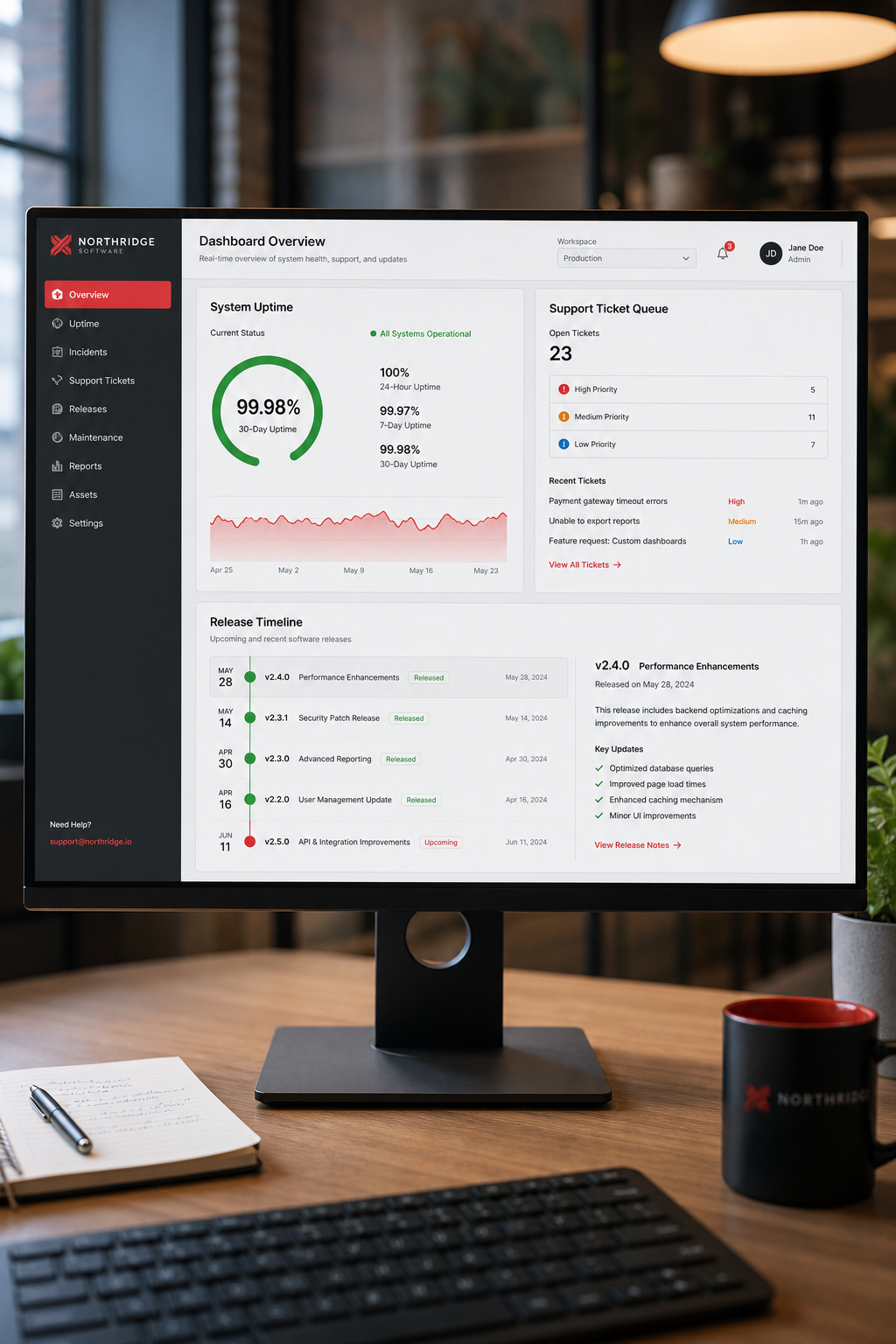
Bottom line: The agreement turns a reactive cost into a proactive investment that keeps your software secure, up‑to‑date, and aligned with business goals.
Risks of Operating Without a Maintenance Agreement
Skipping the contract can feel like saving money, but hidden costs often rise fast.
Unexpected Breakdowns
If a critical bug appears and you have no support contract, you must either fix it yourself or hire an outside consultant at a premium rate. That can halt production for days.
Security Exposure
Missing security patches leaves you open to attacks. A breach can mean legal penalties, data loss, and brand damage.
License Expiration Issues
When a software license expires, you lose the right to use the product. Continuing to run the software can be a breach of contract and may lead to lawsuits. Industry analysts note that operating with an expired license can bring hefty fines and immediate loss of functionality.
These risks add up. A single hour of downtime can cost thousands in lost revenue, while a security incident can cost even more in remediation and reputation repair.
Tips for Evaluating and Negotiating a Maintenance Agreement
Choosing the right contract takes a mix of research and negotiation skill. Below is a step‑by‑step guide you can follow.
1. Define Your Needs
Start by listing the software you rely on, how critical each system is, and the types of support you expect (e.g., 24/7, on‑site, remote). This list becomes your baseline for discussions.
2. Compare Service Levels
Look at SLA details. Does the vendor promise a 2‑hour response for critical alerts? Do they guarantee 99.9% uptime? Match these numbers to the impact of downtime on your business.
3. Scrutinize Pricing
Ask for a breakdown of what the fee covers. If you see a flat rate, verify that it includes all the services you need. If the vendor uses a per‑user model, calculate the total cost for your current seat count and projected growth.
4. Negotiate Terms
Most vendors expect negotiation. You can ask to lock in the price for the contract term, request a discount if you bundle multiple applications, or ask for a clause that limits annual fee increases.
5. Review Legal Clauses
Make sure confidentiality, IP ownership, and termination rights are clear. If the vendor retains ownership of custom code, you may need a separate license to keep using it after the contract ends.
Lakeway’s approach is to give you a custom quote that fits your exact needs, rather than a one‑size‑fits‑all price sheet. Lakeway Web Development - Custom Software Solutions for Businesses shows how we tailor the agreement to each client.
Finally, involve both technical and financial staff in the review. The tech team knows the real‑world impact of response times, while the finance team can model the long‑term cost. Remember: the best contract is the one that protects your operations without overpaying.
Frequently Asked Questions
What does a typical software maintenance agreement cover?
A standard agreement includes bug fixes, security patches, performance tuning, and access to new releases for the duration of the contract. It also spells out support channels (phone, email, ticket system), response times, and any limits on the number of support incidents you can raise. Some contracts add optional services like custom development or on‑site assistance, but those are usually priced separately.
How long should a maintenance contract last?
Most vendors offer 12‑month terms with an automatic renewal clause. You can negotiate longer terms (e.g., 24 or 36 months) if you want price stability. Shorter terms give you flexibility to switch vendors if service drops, but they may come with higher annual rates. Align the term with your software roadmap and budgeting cycles.
Can I negotiate the SLA response time?
Yes. SLAs are a key negotiation point. If your business can’t tolerate more than a few hours of downtime, ask for a tighter response window and a higher penalty for missed targets. Vendors often have tiered SLA options, so you can pick the level that matches your risk tolerance.
What happens if the vendor raises the maintenance fee?
Many contracts include an annual price‑increase cap, usually tied to inflation or a fixed percentage. If the vendor tries to raise fees beyond the cap, you can invoke the termination clause or renegotiate. It’s wise to lock the increase rate at signing.
Do I need a maintenance agreement for off‑the‑shelf software?
Even commercial off‑the‑shelf (COTS) products benefit from a support contract. The vendor’s own support team can provide patches and upgrades that you would otherwise have to source yourself. Without a contract, you may miss critical security updates and be forced to upgrade manually, which can be risky.
How does a maintenance agreement affect software licensing?
The agreement is separate from the license but often tied to it. If the license expires, you lose the right to use the software, regardless of whether you have a maintenance contract. Some vendors bundle license renewal with maintenance, making it easier to keep both in sync.
Is it worth paying for maintenance on legacy systems?
Legacy systems can be expensive to support, but if they run core business functions, a maintenance contract can prevent costly outages. Evaluate the cost of keeping the legacy system versus migrating to a newer platform. If migration is not feasible in the short term, a maintenance agreement is a safety net.
What should I look for in the termination clause?
Check how much notice you must give, any fees for early termination, and the process for transitioning support. A clean termination clause lets you move to another vendor without a penalty if the service falls short of expectations.
Conclusion
In today’s fast‑moving tech world, a software maintenance agreement is more than a line item, it’s a guardrail for reliability, security, and cost control. We’ve walked through what the agreement is, the pieces that make it work, how you pay, the upside it brings, and the dangers of going solo. By defining your needs, checking SLAs, and negotiating pricing, you can lock in a contract that fits your budget and protects your operations.
If you’re ready to protect your custom web or mobile apps with a transparent, scalable plan, reach out to Lakeway Web Development. Our ongoing support model is built for mid‑size businesses that need AI‑powered search, smooth system integration, and future‑proof architecture. Contact us today to discuss a custom maintenance agreement that matches your growth plans.