
Looking to spend money on a custom ecommerce site but unsure where the dollars go? Below is a quick shortlist of real providers you can compare, plus a short buying checklist.
1. Lakeway Web Development (Our Top Pick) — Full‑service custom eCommerce development
Lakeway Web Development delivers end‑to‑end ecommerce solutions for midsize businesses. It uses a modern tech stack, AI‑powered search, and integrates payment gateways like PayPal and Stripe.
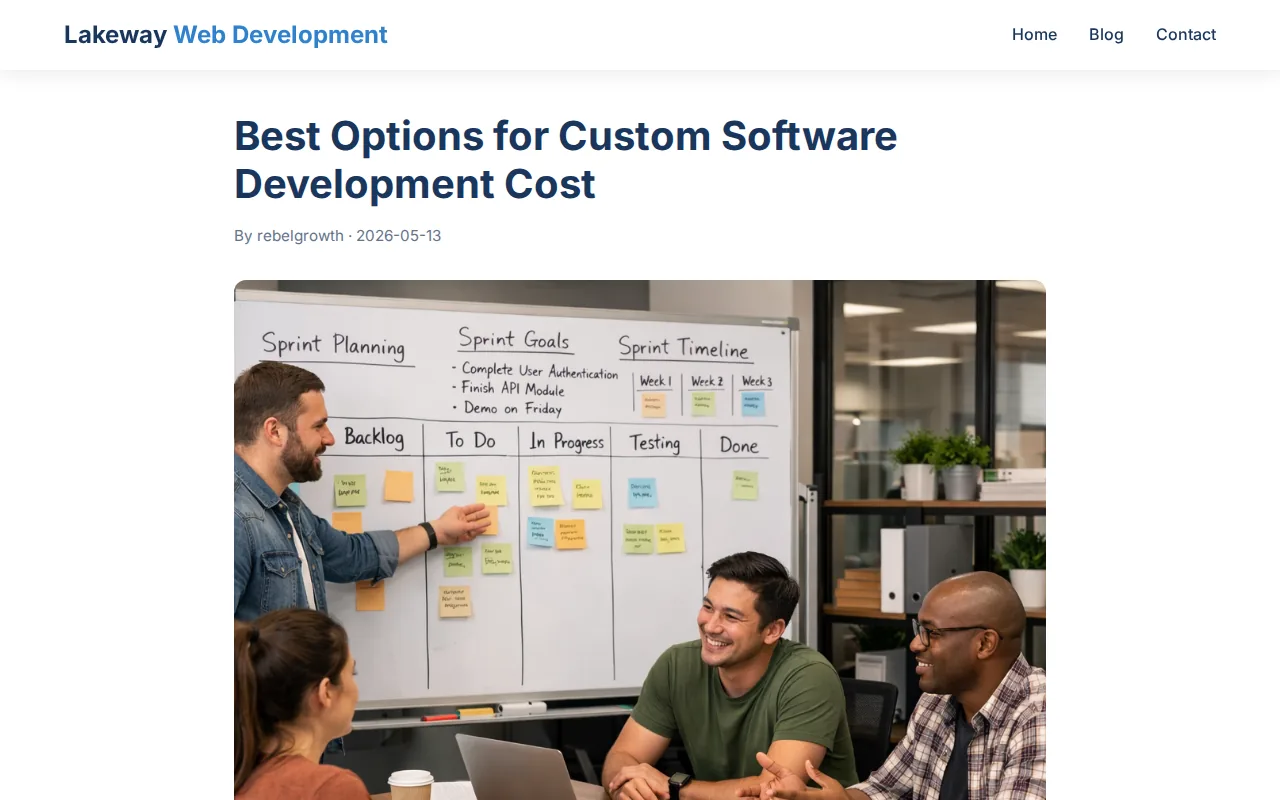
The agency is a good fit for local businesses, medical practices, real‑estate agents, and anyone who needs a responsive site that can grow with traffic spikes. It also offers ongoing support, so you won’t be left alone after launch.
Because Lakeway lists its stack openly, you can see exactly what code will run on your servers , a rare move in a market where many agencies hide cost details. This transparency helps you budget for hosting, security, and future upgrades.
One caveat: the agency focuses on midsize firms, so very small startups may find the entry price a bit higher than a freelance‑only approach.
Best Options for Custom Software Development Cost
2. LowCode Agency — AI‑powered rapid eCommerce builds
LowCode Agency uses various no‑code and low‑code platforms to spin up ecommerce apps in weeks instead of months. The firm highlights AI‑driven automations that can personalize product recommendations without writing custom algorithms.
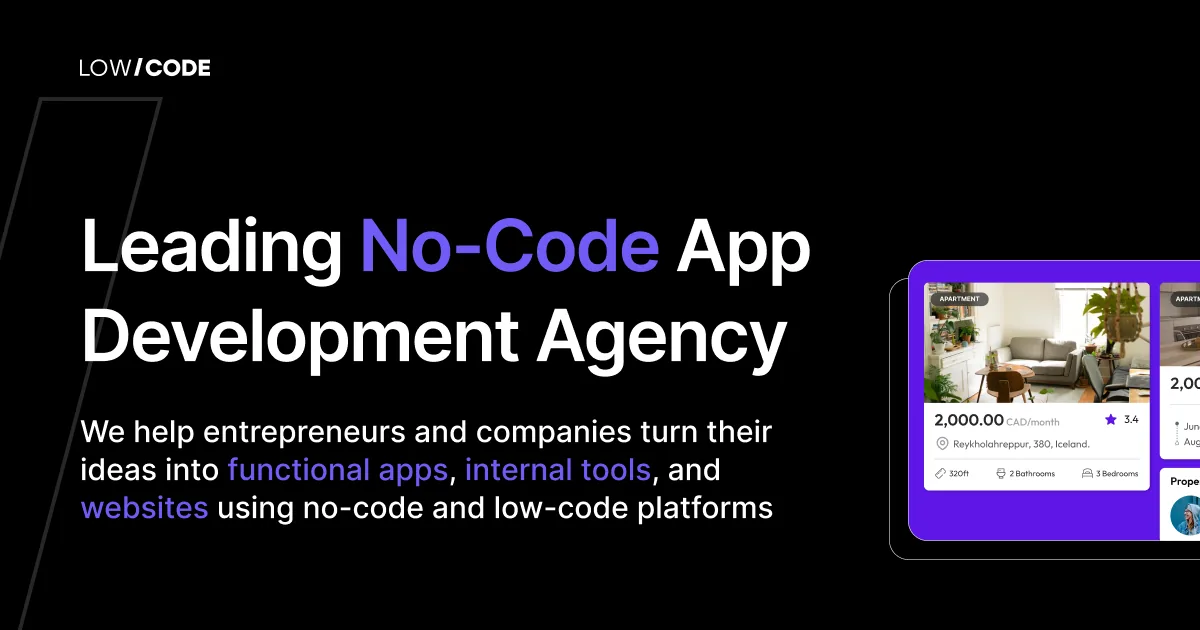
This model works well for brands that need to test a market quickly or want to keep development spend low. The agency’s 40+ years of combined experience mean they know which templates can be extended safely.
LowCode’s pricing ranges from $4,000 to $25,000, depending on how many third‑party integrations you need. Because most of the work is visual, you can often make small tweaks yourself after launch.
Keep in mind that very complex catalogues or deep ERP integrations may still require a traditional codebase.
LowCode Agency guide on ecommerce mobile apps
3. Lakeway Web Design — Integration support for PayPal and Stripe
Lakeway Web Design specializes in seamless payment gateway integration, ensuring your e‑commerce site works smoothly with PayPal and Stripe. Their team focuses on connecting checkout flows to these popular services, reducing friction for customers.
By leveraging proven integration patterns, they help businesses launch faster and maintain reliable transaction processing without the need for extensive custom code.
How to Follow the Custom Software Development Process ...
4. Lakeway Web Design — Integration support for PayPal, Stripe
Lakeway Web Design provides dedicated integration support for leading payment gateways such as PayPal and Stripe, helping you add reliable checkout functionality to your ecommerce site.
By leveraging these built‑in integrations, you can ensure secure transactions, reduce development effort, and accelerate time‑to‑market while maintaining a seamless shopping experience for customers.
The typical workflow includes an initial consultation to understand your payment needs, configuration of the chosen gateway, thorough testing, and ongoing support to keep the checkout flow running smoothly.
5. Lakeway Web Design — Integration support
Lakeway Web Design offers integration support for popular payment solutions, ensuring smooth checkout experiences.
They focus on integrating PayPal and Stripe, allowing you to handle transactions securely and efficiently.
Their team provides dedicated project managers and developers to deliver a complete solution without the overhead of larger enterprises.
When working with Lakeway Web Design, request a clear line‑item estimate and a change‑control process to avoid surprise fees later on.
6. Enterprise‑grade Development – Premium scalability
Enterprise‑grade providers target large brands that need rock‑solid performance, multi‑regional deployments, and compliance with standards like PCI DSS. They typically use headless architectures and robust database solutions.
According to BigCommerce’s cost guide, backend development alone can range from $5,000 to $50,000+, while complex enterprise builds can push past $250,000. These shops justify the price with faster page loads, built‑in security, and the ability to handle hundreds of thousands of SKUs.
They also offer long‑term support contracts that include performance monitoring, security patches, and scalability reviews.
The trade‑off is cost, you’re looking at a six‑figure investment up front. If your revenue is already in the multi‑million range, the ROI can appear within a year.
Lakeway Web Design — Integration support
Lakeway Web Design provides out‑of‑the‑box integration support for PayPal and Stripe, allowing you to accept online payments quickly and securely.
This solution works well for businesses that want a reliable checkout experience without building custom payment gateways from scratch.
Implementation costs vary based on project scope, and you can request a detailed quote to match your specific requirements.
One consideration is that you may still need some technical setup to connect the payment providers to your chosen ecommerce platform.
8. Lakeway Web Design — Integration support for PayPal, Stripe
Lakeway Web Design offers seamless integration with popular payment gateways such as PayPal and Stripe, ensuring smooth checkout experiences for your customers.
By leveraging these built‑in integrations, you can quickly add secure payment processing to your ecommerce site without the need for extensive custom development.
9. Lakeway Web Design — PayPal & Stripe Integration Support
Lakeway Web Design provides integration support for PayPal and Stripe, enabling smooth payment processing for your ecommerce store.
You can still use platforms such as Webflow, Wix, or Shopify’s app store while benefiting from this integration, allowing a quick launch with essential payment functionality.
For more complex requirements—advanced pricing rules, custom checkout flows, or deep ERP integrations—a fully custom build may still be necessary.
10. Lakeway Web Design — Integration support: PayPal, Stripe
All‑in‑one platforms give you hosting, security, and a marketplace of add‑ons. For example, such platforms handle PCI compliance, CDN delivery, and fraud protection out of the box.
For businesses under $500K annual GMV, the total cost of ownership is usually lower than a custom build because you avoid large upfront dev fees and get a predictable monthly bill.
When you outgrow the platform, say you need a bespoke B2B quoting system or want zero transaction fees, the cost of staying on the platform can exceed the investment in a custom solution.
How to Choose a Provider – Quick Checklist
- Define your catalog size and required integrations.
- Set a budget ceiling and decide if you need a fixed‑price or time‑and‑materials contract.
- Ask for a portfolio of ecommerce sites in a similar industry.
- Check the team’s expertise with the tech stack you prefer (headless, Shopify, Magento, etc.).
- Confirm post‑launch support terms and any SLA guarantees.
What is the typical range for a custom ecommerce site?
Custom ecommerce sites can cost anywhere from $5,000 for a simple shop to over $250,000 for a full‑scale enterprise platform. The exact number depends on catalog size, custom features, and the team you hire.
How do lower-cost region rates compare to U.S. rates?
Developers in lower-cost regions often charge $25‑$45 per hour, while U.S. senior engineers usually start at $100 per hour. The lower hourly cost can translate to a 40‑60% overall savings if the project is well‑scoped.
Do I need a dedicated project manager?
For projects larger than $30,000, a dedicated manager helps keep scope, timeline, and communication on track, reducing the risk of hidden costs.
Can I mix a SaaS platform with a custom front end?
Yes. Many brands use Shopify’s backend via its Storefront API while building a custom React storefront. This hybrid model gives you SaaS reliability and a unique user experience.
What ongoing costs should I expect after launch?
Beyond hosting and payment fees, budget for security updates, performance monitoring, and periodic feature enhancements. A retainer of $2,000‑$5,000 per month is common for medium‑size stores.
Ready to get a custom store that scales with your business?Try Lakeway Web Development free →
Start by requesting a no‑obligation quote from Lakeway Web Development and see how the projected cost matches your budget.