Looking for a custom ecommerce solution that grows with your brand? We’ll walk you through the exact steps to plan, build, and launch a store that’s secure, fast, and ready for AI‑powered search.
1. Lakeway Web Development (Our Top Pick)
Lakeway Web Development delivers fully custom, responsive ecommerce sites for mid‑size businesses. It uses modern tech stacks, AI‑powered search, and offers ongoing support and scalable architecture.
The team works closely with you to map every workflow, then builds a solution that fits your budget and timeline. Their AI search lets shoppers type natural‑language questions and get precise product results, a feature most rivals lack.
Because they focus on mid‑size firms, you get a partner that understands growth‑stage challenges without the enterprise price tag. How to Develop Custom Business Software in 6 Steps shows the kind of collaborative process they follow.
One caution: their flexibility means you’ll need clear requirements early on, or scope can expand. But with solid planning, the result is a future‑proof store that scales as you add traffic.
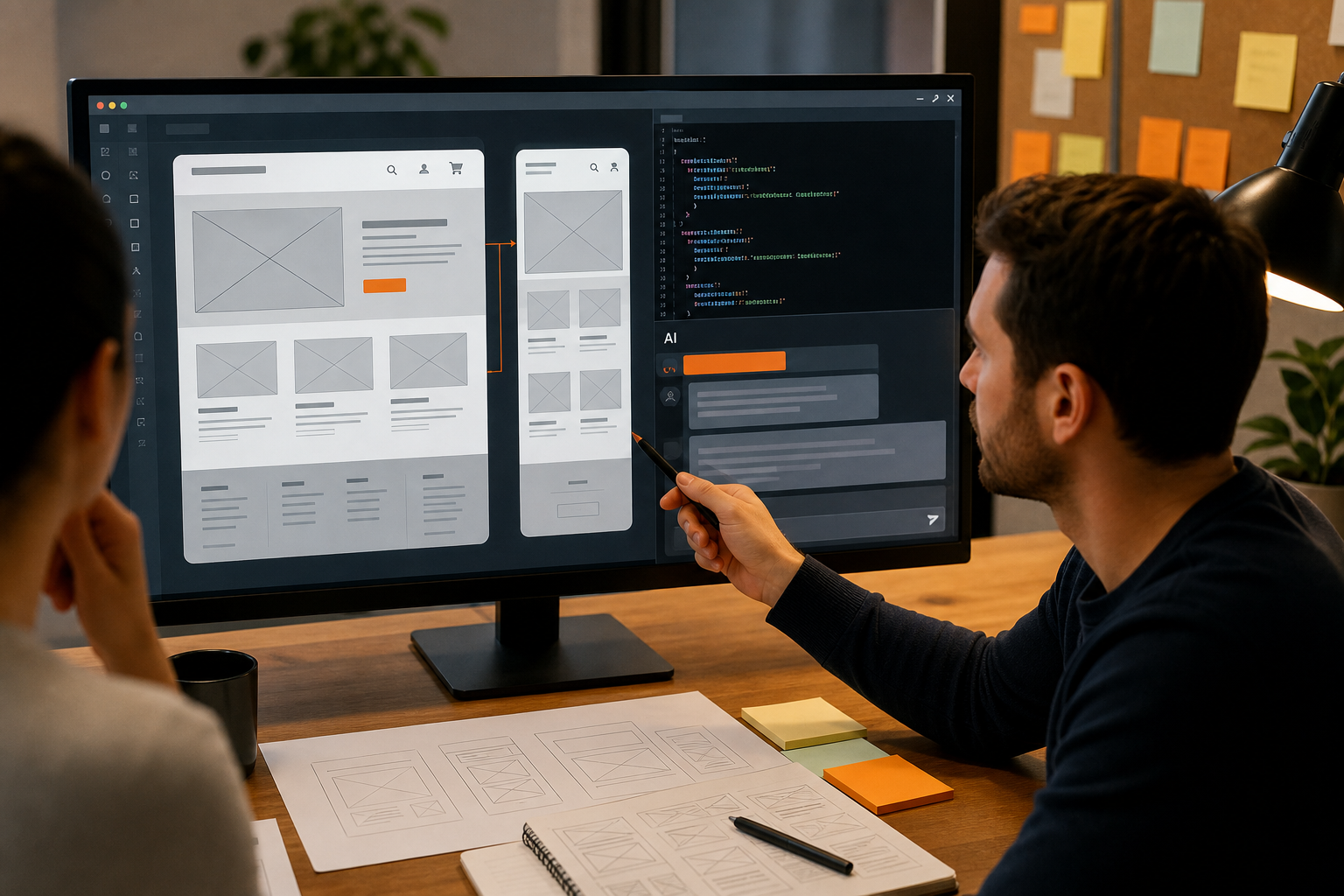
Step 2: Choose the Right Ecommerce Architecture and Platform
The architecture decides how data moves, how fast pages load, and how easy it is to add features later. Most firms pick either a headless setup, where the front end is separate from the back end, or a monolithic platform that bundles everything together.
Here’s a quick decision matrix to help you compare the two common approaches:
Headless is ideal when you need a highly customized UI or want to serve multiple front ends (web, mobile, IoT). Monolithic works if you value a single dashboard and want to launch quickly.
Make sure the platform you pick supports the integrations you’ll need later, payment gateways, ERP, CRM, and AI services.
Step 3: Plan Integrations, Data Flows, and AI‑Powered Search
Integration is the glue that holds your store, inventory, and marketing tools together. Start by listing every system you already use, like your ERP for stock, a CRM for customer data, and a fulfillment service for shipping.
Map out how data will travel: when an order is placed, the ecommerce platform should push order details to the ERP, then send a fulfillment request to the logistics provider. A clear diagram prevents gaps that cause delays or mismatched inventory.
AI‑powered search adds a layer of smartness. Instead of keyword matching, the engine interprets natural‑language queries and ranks results based on relevance and past behavior. Lakeway’s AI search engine can be trained on your catalog to surface the right items instantly.
When you choose integration partners, verify they offer well‑documented APIs and SDKs. This reduces custom code and speeds up the go‑live timeline.
For a usable checklist, see Best Chatbot for Ecommerce: Top 11 Solutions. It outlines the same data‑flow thinking applied to conversational bots.
Step 4: Design a Fast, Accessible, and Conversion‑Focused Storefront
Design isn’t just about looks; it’s about speed and usability. A slow page loses shoppers, studies show a one‑second delay can drop conversions by up to 7%.
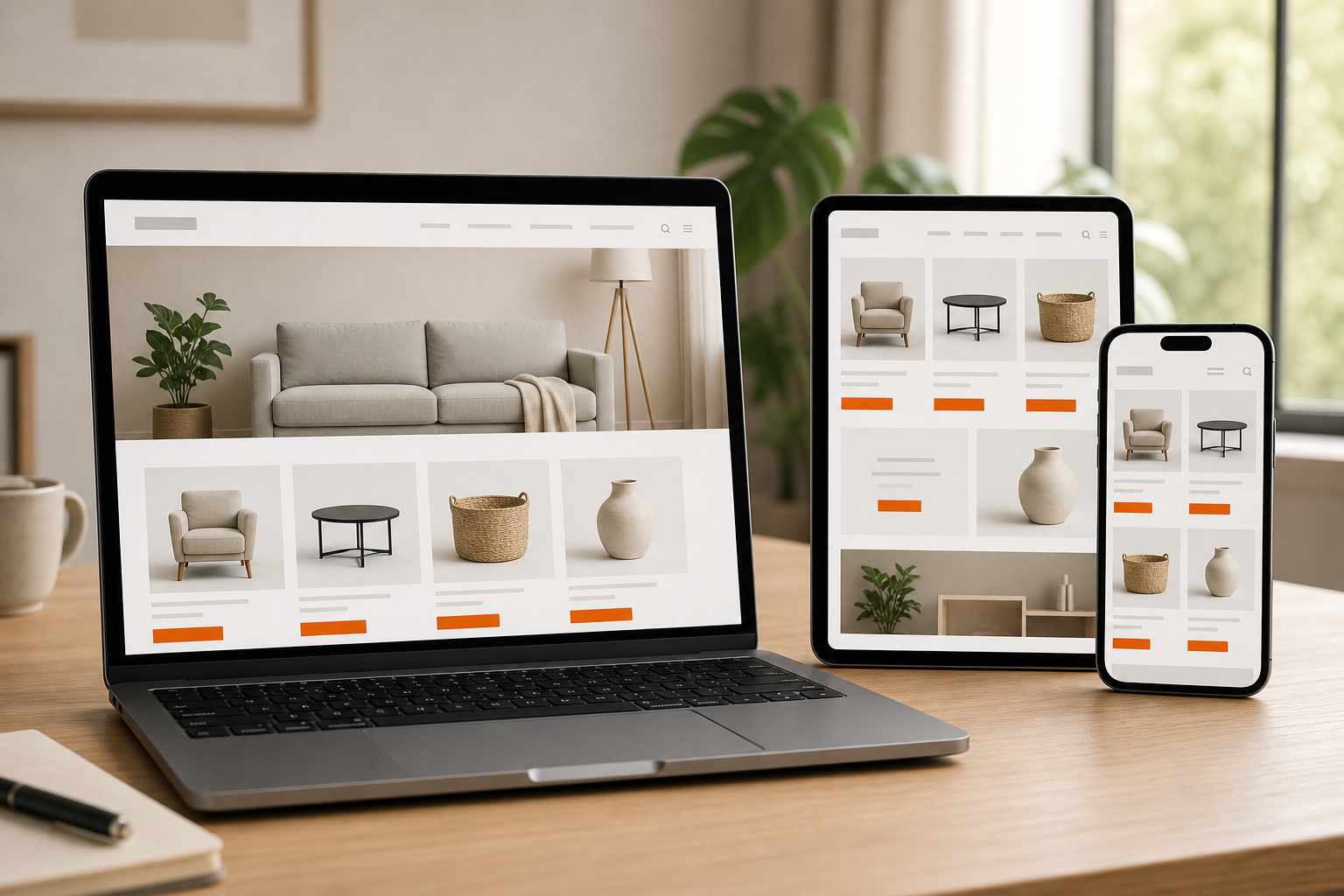
Prioritize core performance tactics: compress images, use lazy loading, and serve assets via a CDN. Use responsive layouts so the site works on any device without extra effort.
Accessibility matters too. Follow the Web Content Accessibility Guidelines (WCAG) to ensure screen‑reader users can handle your catalog. Review the accessibility standards for criteria you should meet.
Conversion‑focused design means placing clear calls to action, reducing form fields, and showing trust signals like secure‑payment icons near the checkout button. Test variations with A/B experiments to see what drives the most sales.
Don’t forget mobile‑first design: start with the smallest screen and scale up. This approach avoids hidden UI bugs that only appear on phones.
Step 5: Test, Launch, and Improve the Custom Ecommerce Experience
Testing is the safety net that catches bugs before customers see them. Run functional tests for every user story, security scans for vulnerabilities, and load tests that simulate peak traffic.
Automation helps. Use unit tests for backend logic, integration tests for API calls, and UI tests that mimic real shoppers clicking through the checkout.
When the test suite passes, stage the site in an environment that mirrors production. Run a final user‑acceptance test with real staff or a small beta group.
After launch, monitor key metrics: page load time, cart abandonment rate, and error logs. Use site-management tools to keep performance in check.
Continuous improvement means iterating on feedback. Add new AI‑driven recommendations, expand integration points, or tweak the UI based on real‑world data.
Lakeway offers a clear support contract that covers security patches, performance tuning, and feature upgrades, so you never lose momentum after go‑live.
To keep costs predictable, consider a retainer model similar to what How to Estimate Custom Software Development Pricing describes for ongoing maintenance.
FAQ
What are custom ecommerce development services?
Custom ecommerce development services build a storefront tailored to your exact business needs, rather than using a generic template. They handle design, architecture, integrations, and post‑launch support.
How do I choose the right platform?
Pick a platform that matches your scalability goals, integration needs, and budget. Headless solutions give UI flexibility, while monolithic platforms provide quicker setup.
Do I need AI‑powered search?
AI search isn’t required, but it boosts product discovery and conversion by interpreting natural‑language queries, which many shoppers now expect.
What integrations are essential?
At a minimum, integrate payment gateways, inventory/ERP systems, and a CRM. Additional APIs for marketing automation or analytics can further simplify operations.
How long does a custom build take?
Timeline varies with scope; a simple MVP may launch in 4‑6 weeks, while a full‑scale enterprise solution can require 12‑20 weeks of design, development, and testing.
What support is typical after launch?
Most firms offer a maintenance window for bug fixes and security updates. Lakeway provides an ongoing support model with clear SLAs, which is rare among competitors.
Ready to turn your vision into a live store? Start by reaching out to discuss requirements and get a detailed roadmap.